hero-banner

Tag Archives: Internet of Things

Microsoft: Pivoting to a Communications-Centric Business

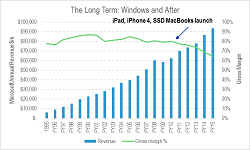
Microsoft faces the post-monopoly era, having had to write off its $8bn adventure in mobile and cope with significant disruption across the piece. Collaboration and communications are key to its new strategy, leading to significant implications for telcos and others.


Strategic Overview: Time for a New Telco 2.0 Vision

We believe that the global telecoms market is approaching a critical moment of change, as strategic drivers and enablers are combining to open the door to a fundamental shift in the industry. We show how and why with highlights of our recent research, and set the scene for a new vision for Telco 2.0 – what telcos should be in the future, and how to get there.

Alibaba & Tencent: China’s Digital Disruptors (Part 1)

Both Alibaba and Tencent have created formidable Internet ecosystems within China. However, the increasingly competitive Chinese economy is now slowing, and their continued growth depends on weakening the control of Google, Facebook and Amazon over the global digital commerce market. In the first of two reports on China, we examine Alibaba and Tencent’s services, business models, and aspirations, and explain how and why telcos should support their international expansion.

Telco-Driven Disruption: What NTT DOCOMO, KT and Globe got right

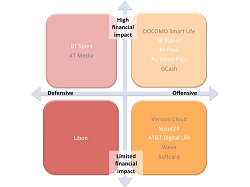
As they seek new sources of revenue, many telcos around the world are attempting to disrupt adjacent markets, such as digital commerce, IT, entertainment and financial services. While many of these moves have proved to be too little, too late, several disruptive plays have had a significant impact on both the telco’s revenues and relevance. These include NTT DOCOMO’s Smart Life portfolio, Globe Telecom’s GCash service and KT’s media business. Why do some disruptive moves by telcos succeed and others fail?

The ‘Agile Operator’: 5 Key Ways to Meet the Agility Challenge

The ‘Agile Operator’: 5 Key Ways to Meet the Agility Challenge

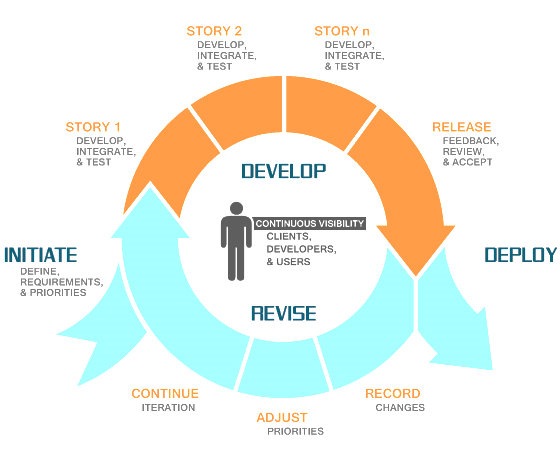
What is ‘agility’ and what makes it meaningful to operators? We explored the concept and characteristics of ‘operator agility’ through 29 interviews with telco senior executives, found three main barriers and five key opportunity areas, and identified some surprising and important conclusions about both what it means and the key steps needed to achieve it.

Telco-Driven Disruption: Hits & Misses (Part 1)

Telco-Driven Disruption: Hits & Misses (Part 1)

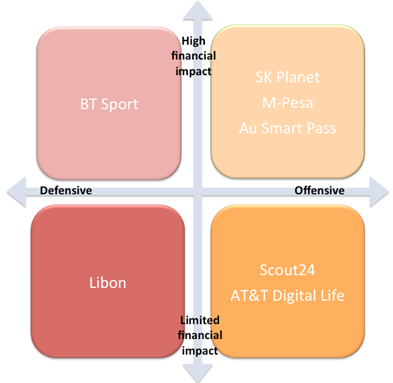
Although telcos aren’t generally associated with disruption, many operators around the world have attempted to disrupt adjacent markets, such as digital commerce, entertainment and financial services. In some cases, telcos have even disrupted their core broadband and communications markets. While many of these moves have fizzled out or have flown below investors’ radar screens, several have had a major impact on both the telco’s revenues and relevance. These include SK Planet, M-Pesa, Au Smart Pass and BT Sport. Why do some disruptive moves by telcos succeed and others fail?

Connected Car: Key Trends, Players and Battlegrounds

Connected Car: Key Trends, Players and Battlegrounds

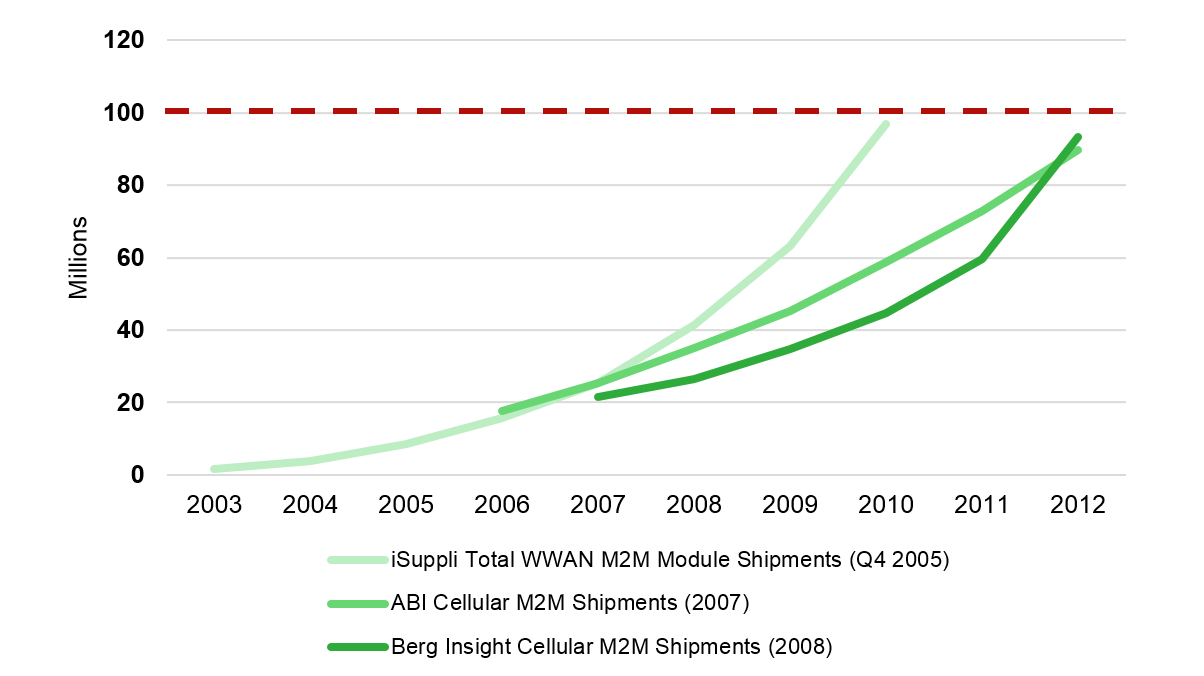
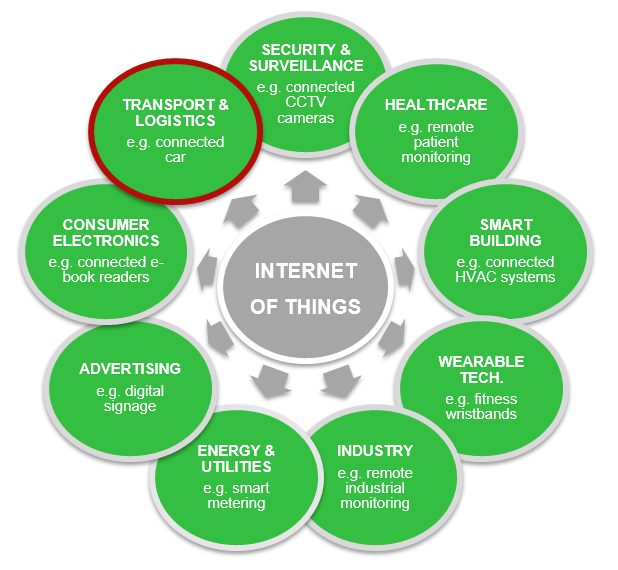
Connected cars are set to revolutionise the automotive industry as we know it, turning the car into the ‘ultimate mobile device’ and driving the growth of M2M in a big way. With Apple, Google, telcos and many others in the chase, we analyse the growth drivers, value chain, and key battles for control of this increasingly complex ecosystem, and outline a new connected car services framework.

The Great Compression: surviving the ‘Digital Hunger Gap’

The Great Compression: surviving the ‘Digital Hunger Gap’

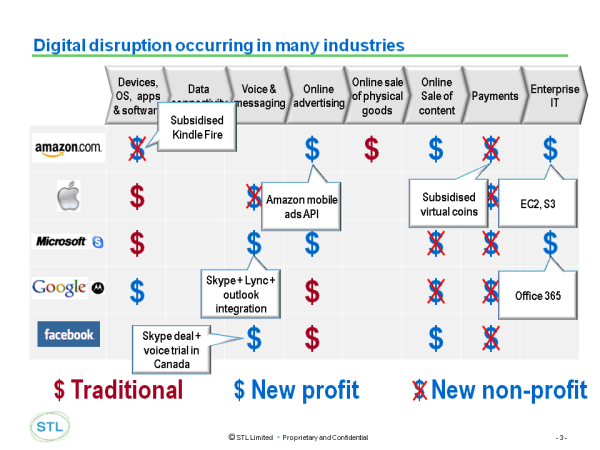
In the next 10 years, many industries face the ‘Great Compression’ in which, in addition to the pressures of ongoing global economic uncertainty, there is also a major digital transformation that is destroying traditional value and moving it ‘disruptively’ to new areas and geographies. For the incumbent industry players we call the near-term results of this disruption ‘The Digital Hunger Gap’ – the widening deficit between past and projected revenues. This is our analysis of the top-level findings of the Silicon Valley Executive Brainstorm. (March 2013, Executive Briefing Service, Transformation Stream.)
10 Year Hunger Gap Mar 2013