
hero-banner

Tag Archives: Telco

Telco-Driven Disruption: Hits & Misses (Part 1)

Telco-Driven Disruption: Hits & Misses (Part 1)

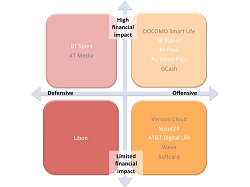
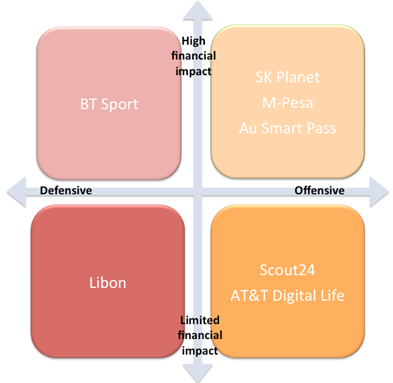
Although telcos aren’t generally associated with disruption, many operators around the world have attempted to disrupt adjacent markets, such as digital commerce, entertainment and financial services. In some cases, telcos have even disrupted their core broadband and communications markets. While many of these moves have fizzled out or have flown below investors’ radar screens, several have had a major impact on both the telco’s revenues and relevance. These include SK Planet, M-Pesa, Au Smart Pass and BT Sport. Why do some disruptive moves by telcos succeed and others fail?

Five Principles for Disruptive Strategy

What is disruption, when is it a good idea, and what do you do when it happens to you? We illustrate five principles of disruptive strategy based on our analysis of the telecoms and adjacent markets over the past eight years. The analysis covers both principles of creating and defending against disruption.

Apple Pay & Weve Fail: A Wake Up Call

The unveiling of Apple Pay and unravelling of Weve (the UK operators’ payments venture) looked like bad news for telcos’ ambitions in mobile payments in some markets, and highlighted challenges to Google and others’ models. Yet there are already successful telco models and favourable market trends that telcos should exploit. So what are the opportunities now?

Connected Car: Key Trends, Players and Battlegrounds

Connected Car: Key Trends, Players and Battlegrounds

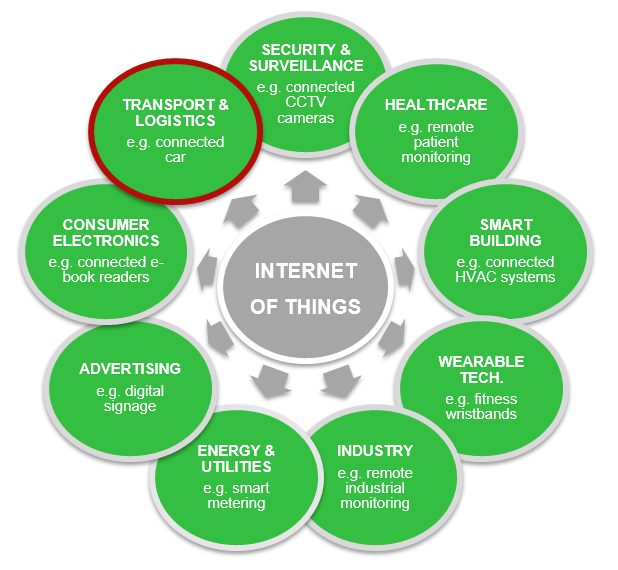
Connected cars are set to revolutionise the automotive industry as we know it, turning the car into the ‘ultimate mobile device’ and driving the growth of M2M in a big way. With Apple, Google, telcos and many others in the chase, we analyse the growth drivers, value chain, and key battles for control of this increasingly complex ecosystem, and outline a new connected car services framework.

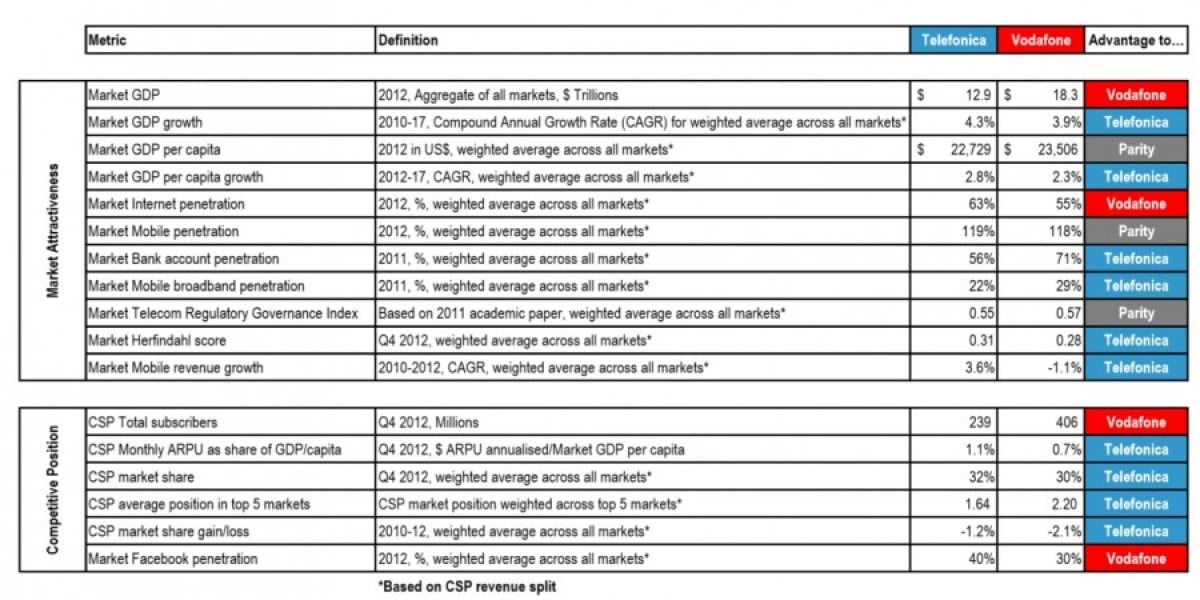
Telefonica leads Vodafone in more attractive markets

Telefonica leads Vodafone in more attractive markets

In this new report based on Telco 2.0 Transformation Index analysis we compare Vodafone’s competitive positioning with another European-centric multi-national, Telefonica. The results are surprising and instructive, showing that Vodafone faces substantial challenges if it is to grow in the foreseeable future.

Cisco, Microsoft, Google, AT&T, Telefonica, et al: the disruptive battle for value in communications

Cisco, Microsoft, Google, AT&T, Telefonica, et al: the disruptive battle for value in communications

Disruption is taking place across the voice and messaging space – not just with telcos. Established vendors and de facto technology standards are also being challenged. For example, Cisco, the market leader in enterprise telephony, finds itself being disrupted in key markets by other vendors offering more horizontally integrated solutions. This report provides an overview and insight into a number of vendors and technologies in the voice and messaging markets, including telco platforms and services, and LTE, RCSe, and WebRTC. Three telco case studies (Vodafone, Telefonica and AT&T) are also provided, examining their activities, products and results.

The Future Value of Voice and Messaging

The Future Value of Voice and Messaging

Our new research shows how telcos can slow the decline of voice and messaging revenues and build new communications services to maximise revenues and relevance with both consumer and enterprise customers. It includes detailed forecasts for 9 markets, in which the total decline is forecast between -25% and -46% on a $375bn base between 2012 and 2018, giving telcos an $80bn opportunity to fight for. It also shows impacts and implications for other technology players including vendors and partners, and general lessons for competing with disruptive players in all markets. It looks at the impact of so-called OTT competition, market trends and drivers, bundling strategies, operators developing their own Telco-OTT apps, advanced Enterprise Communications services, and the opportunities to exploit new standards such as RCS, WebRTC and VoLTE. (November 2013, Executive Briefing Service). Future Value of Voice and Messaging Cover Small

Telco 2.0 Transformation Index: Technology Survey

Telco 2.0 Transformation Index: Technology Survey

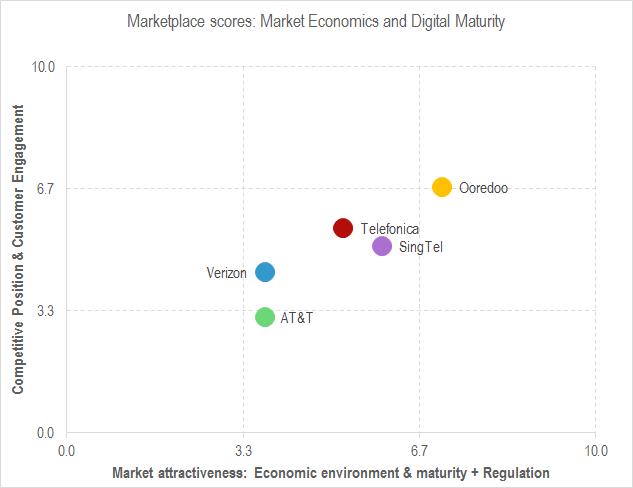
150 senior execs from Vodafone, Telefonica, Etisalat, Ooredoo (formerly Qtel), Axiata and Singtel supported our technology survey for the Telco 2.0 Transformation Index. This analysis of the results includes findings on prioritisation, alignment, accountability, speed of change, skills, partners, projects and approaches to transformation. It shows that there are common issues around urgency, accountability and skills, and interesting differences in priorities and overall approach to technology as an enabler of transformation. (November 2013, Executive Briefing Service, Transformation Stream.) Telco 2.0 Transformation Index Tech Survey Cover Small

Digital Commerce 2.0: Disrupting the Californian Giants

Digital Commerce 2.0: Disrupting the Californian Giants

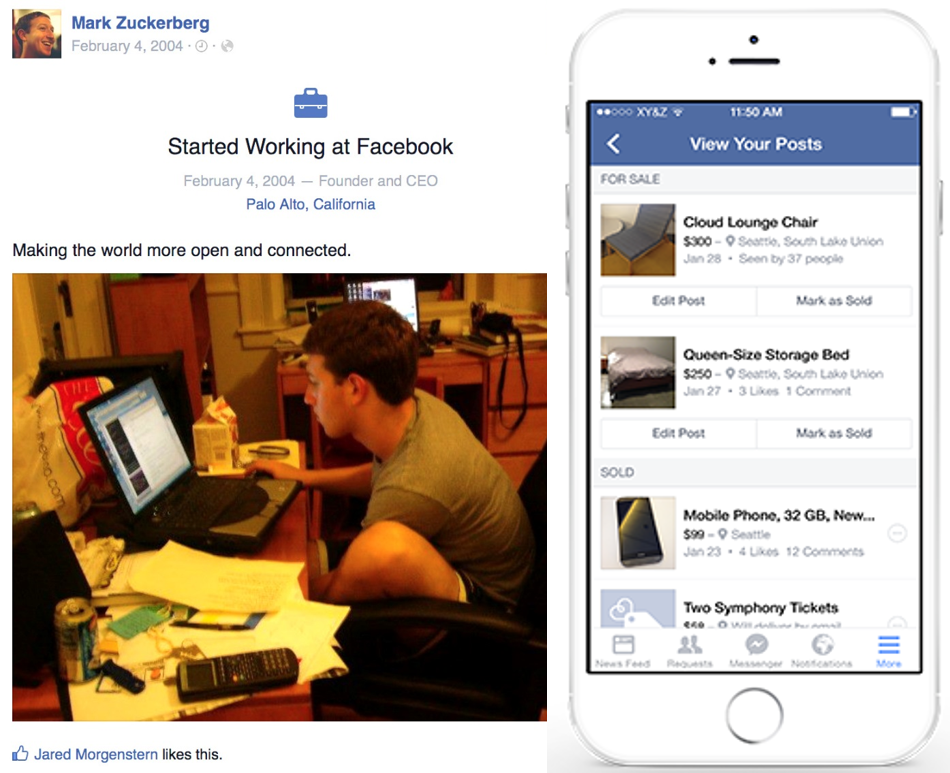
Amazon, Google, Apple, eBay/PayPal and Facebook are the big five brokers of digital commerce. But the disruption caused by the rise of mass-market smartphones, and the personal data they generate, means the medium-term leadership of these California-based companies is not assured. Each of them has weaknesses that could hinder their progress towards securing a strong strategic position in the new Digital Commerce 2.0 marketplace, and render them potentially vulnerable to competition from telcos, banks and/or start-ups. (October 2013, Executive Briefing Service, Dealing with Disruption Stream.) Digital Commerce 2.0 Gap

Cloud 2.0: Securing Trust to Survive the ‘One-In-Five’ CSP Shake-Out

Cloud 2.0: Securing Trust to Survive the ‘One-In-Five’ CSP Shake-Out

The Cloud market is on the verge of the next wave of market penetration, yet it’s likely that only one in five Cloud Service Providers (CSPs) in today’s marketplace will still be around by 2018, as providers fail or are swallowed up by aggressive competitors. So what do CSPs need to do to survive and prosper? (October 2013, Foundation 2.0, Executive Briefing Service, Cloud & Enterprise ICT Stream.)
Technology adoption rates Sept 2013