Research

Defining the future telco — and what it means for operators and their partners


Telstra: Battling Disruption and Growing Enterprise Cloud & ICT

When Amazon Web Services (AWS) landed in Australia in 2012, everyone expected carnage for Australian carriers. Telstra’s Network Applications & Services division, though, is growing fast and making some interesting moves. How did Telstra do it, and what else can be learned from its successes and its latest moves into the Healthcare market?

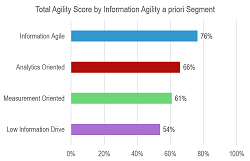
How to be Agile: Agility by Design and Information Intensity

How agile are telcos today, what are the barriers and opportunities, and what can be done to improve agility? We look in depth at the findings from the Telco 2.0 Agility Challenge, and identify some key steps for telcos and partners to take, including specific organisational strategies to be ‘Agile by Design’ and the need for an ‘information intensive’ culture.

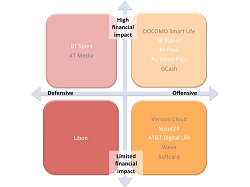
Telco-Driven Disruption: What NTT DOCOMO, KT and Globe got right

As they seek new sources of revenue, many telcos around the world are attempting to disrupt adjacent markets, such as digital commerce, IT, entertainment and financial services. While many of these moves have proved to be too little, too late, several disruptive plays have had a significant impact on both the telco’s revenues and relevance. These include NTT DOCOMO’s Smart Life portfolio, Globe Telecom’s GCash service and KT’s media business. Why do some disruptive moves by telcos succeed and others fail?

Authentication Mechanisms: The Digital Arms Race

Authentication Mechanisms: The Digital Arms Race

Companies that can provide quick and robust authentication mechanisms will be in a strategically important position in the digital economy, and this is sparking an arms race among the major Internet ecosystems – Apple, Google, Facebook and Amazon. This race is intensifying as biometrics and wearables promise to make two-factor authentication easier and more cost-effective. What are the strategies of the internet players, and where do they need help?

How 5G is Disrupting Cloud and Network Strategy Today

A primary benefit envisaged of 5G networks is that latency (i.e. delay times for users) will be massively reduced. This would deliver major benefits for many applications providing that the software for those cloud-based applications is located near enough to the users at the edge of the network. This is likely to drive a massive change in the architecture of the cloud and the network industries. This report outlines likely scenarios and identifies some early moves that are starting to play out now.

Key Questions for The Future of the Network, Part 2: Forthcoming Disruptions

Key Questions for The Future of the Network, Part 2: Forthcoming Disruptions

5G. SDN/NFV. Gigabit cable. WiFi. IoT. Spectrum policy. Vendor consolidation. Despite carefully-constructed business cases for future network investment, the goal-posts are always moving, and even the best-laid plans face possible disruptions – positive or negative. To kick off our ‘Future of the Network’ research stream, we outlined the key questions determining the business case for future investments in the network. This is Part 2, which covers critical network-technology disruptions, the impact of government and regulation, and the shifting vendor landscape.

Amazon Web Services: Colossal, but Invincible?

Amazon has revealed that its cloud services arm is growing very fast and is surprisingly profitable. An analysis of the strategy that underpins the exceptional performance of Amazon Web Services provides important pointers about the future of the cloud computing market, how to balance the trade-off between convenience and cost, and where there may be scope for others (such as telcos) to succeed.

The ‘Agile Operator’: 5 Key Ways to Meet the Agility Challenge

The ‘Agile Operator’: 5 Key Ways to Meet the Agility Challenge

What is ‘agility’ and what makes it meaningful to operators? We explored the concept and characteristics of ‘operator agility’ through 29 interviews with telco senior executives, found three main barriers and five key opportunity areas, and identified some surprising and important conclusions about both what it means and the key steps needed to achieve it.

Digital Services: What is Your Digital Business Worth?

Digital Services: What is Your Digital Business Worth?

We outline our ‘proxy model’ for valuing Digital Services Businesses, based on current best practice, which has significant advantages over traditional approaches. This report, our second of two on valuation, gives a worked example of a telco’s digital business in Asia that is already worth $1bn, and includes an analysis of approaches being taken by some leading telcos today.

Facebook: Telcos’ New Best Friend?

Facebook: Telcos’ New Best Friend?

Facebook has changed substantially since we first analysed the company in 2011. In our latest major report we explore the accuracy of our 2011 predictions regarding users, revenue and strategy. We also examine Facebook’s current aspirations and challenges and explain why, where and how operators should be working with Facebook to build value.

Want access to our research?

Our research focuses on how telcos and their partners can embrace industry disruption.

Learn more