
Consumer innovation tracker
A global database of innovative telco consumer services beyond connectivity
Defining the future telco — and what it means for operators and their partners
A global database of innovative telco consumer services beyond connectivity

STL Partners’ analysts share their bite-sized expert opinions on the key topics in telecoms in the last quarter
Speakers at Deutsche Telekom Satellite Day 2026 urged telcos, satellite operators and vendors to work together. Deutsche Telekom considers collaboration a critical enabler for Europe to realise its satellite programme’s ambitions.

The term ‘photonics’ is becoming more common than ‘optical’. But what does it mean for telcos? Does it suggest new opportunities?

Skywatch constellation offers an in-depth analysis of major satellite operators, including their constellation, business model and strategic posture toward telcos.

This report acts as a companion to our full private network forecast, last published in July 2026. It analyses the new private network sub-segment of 5G tactical bubbles – temporary 5G networks designed for tactical use on the battlefield and in other emergency situations.

Orange has been one of the most ambitious and innovative telcos in scaled internal adoption of generative AI and development of enterprise solutions. How did it build an AI platform with more than 100,000 users and 100 enterprise customers in three years?

Orchestration is rapidly becoming a critical asset and skill set for operators looking to optimise the value of existing assets, and create new services and marketable IP.

Skywatch tracker monitors public announcements of collaborations between telcos and satellite/non-terrestrial networks (NTN) players publicly announced since 1 January 2024. It also highlights where satellite operators are collaborating and competing with telcos.

Autonomous networks need agents that can be trusted to act on live events. That means solving two problems: data that is thorough enough to catch a genuine anomaly, and fast enough to remain valid by the time a decision is made. How should operators approach both?

In this forecast, we estimate the potential revenues for telecom operators from the commercialisation of mobile network APIs. We assess the opportunity across five API families, covering 26 individual APIs and 53 use cases.

The Telco generative AI adoption tracker is a database of deployments of generative AI by telcos around the world. It also features STL’s assessment of key telcos’ progress with AI.
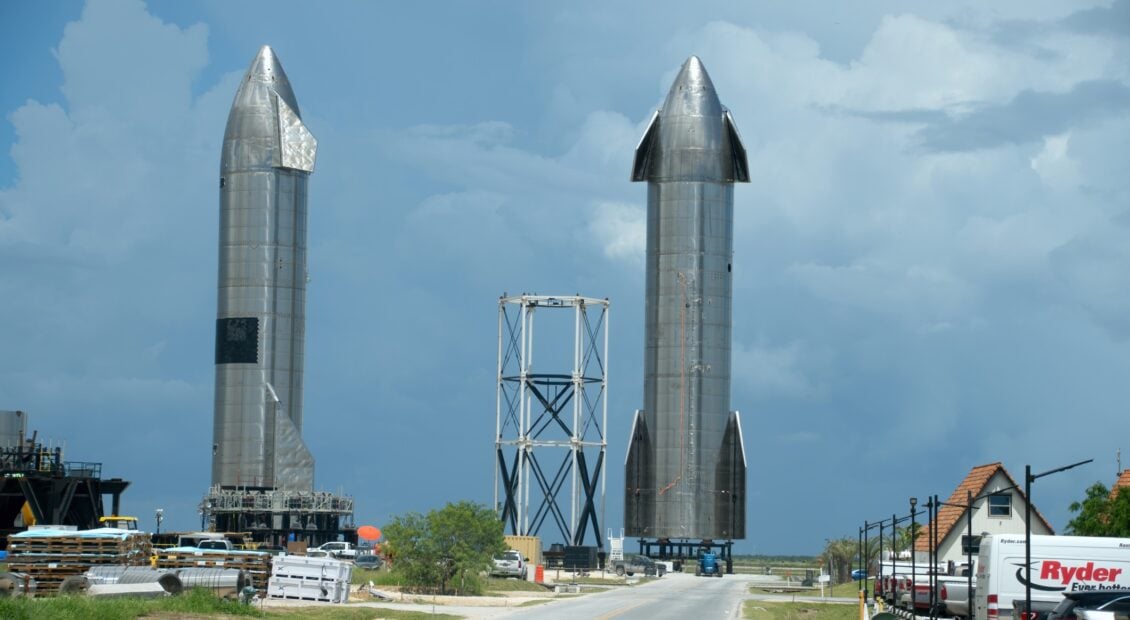
SpaceX has raised a huge amount of capital and explicitly stated an intent to compete with US MNOs. Does it pose a real threat?

The amount of interest and hype about satellite/mobile integration is out-of-this-world. Telcos should escape the gravitational pull of simplistic substitution arguments and instead be concerned about strategic control points and customer ownership.

Welcome to this series analysing network autonomy efforts by leading telcos worldwide. In this third edition, we put the spotlight on a leading multinational operator in the journey toward autonomous networks.

This report presents quantitative analysis of the global demand for private networks over a five-year period. We explore the revenue trends across the value chain and provide insights into different deployment models and technologies across 15 verticals.

Headlines suggest AI drives headcount reductions. This report examines the real impact that AI is having on employees and how telcos can help their workforce become part of AI transformations that benefit the business.
Our research focuses on how telcos and their partners can embrace industry disruption.
Learn more1