hero-banner

Tag Archives: Strategy

How to be Agile: Agility by Design and Information Intensity

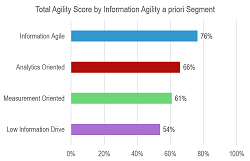
How agile are telcos today, what are the barriers and opportunities, and what can be done to improve agility? We look in depth at the findings from the Telco 2.0 Agility Challenge, and identify some key steps for telcos and partners to take, including specific organisational strategies to be ‘Agile by Design’ and the need for an ‘information intensive’ culture.

Telco-Driven Disruption: What NTT DOCOMO, KT and Globe got right

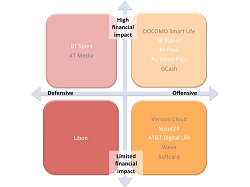
As they seek new sources of revenue, many telcos around the world are attempting to disrupt adjacent markets, such as digital commerce, IT, entertainment and financial services. While many of these moves have proved to be too little, too late, several disruptive plays have had a significant impact on both the telco’s revenues and relevance. These include NTT DOCOMO’s Smart Life portfolio, Globe Telecom’s GCash service and KT’s media business. Why do some disruptive moves by telcos succeed and others fail?

How 5G is Disrupting Cloud and Network Strategy Today

A primary benefit envisaged of 5G networks is that latency (i.e. delay times for users) will be massively reduced. This would deliver major benefits for many applications providing that the software for those cloud-based applications is located near enough to the users at the edge of the network. This is likely to drive a massive change in the architecture of the cloud and the network industries. This report outlines likely scenarios and identifies some early moves that are starting to play out now.

Key Questions for The Future of the Network, Part 2: Forthcoming Disruptions

Key Questions for The Future of the Network, Part 2: Forthcoming Disruptions

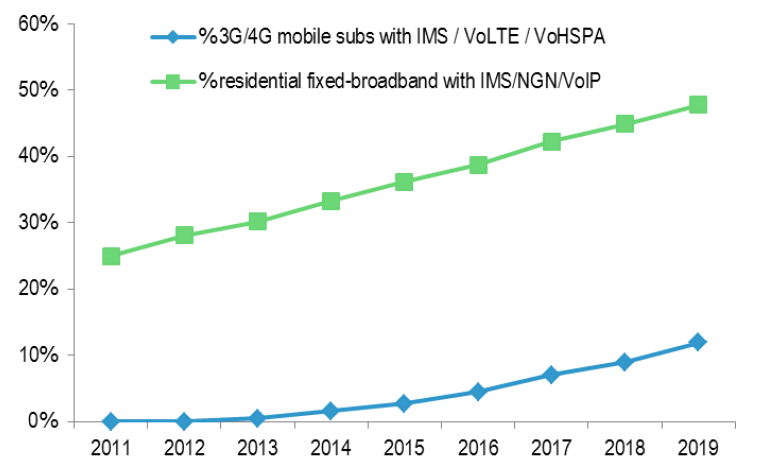
5G. SDN/NFV. Gigabit cable. WiFi. IoT. Spectrum policy. Vendor consolidation. Despite carefully-constructed business cases for future network investment, the goal-posts are always moving, and even the best-laid plans face possible disruptions – positive or negative. To kick off our ‘Future of the Network’ research stream, we outlined the key questions determining the business case for future investments in the network. This is Part 2, which covers critical network-technology disruptions, the impact of government and regulation, and the shifting vendor landscape.

Digital Services: What is Your Digital Business Worth?

Digital Services: What is Your Digital Business Worth?

We outline our ‘proxy model’ for valuing Digital Services Businesses, based on current best practice, which has significant advantages over traditional approaches. This report, our second of two on valuation, gives a worked example of a telco’s digital business in Asia that is already worth $1bn, and includes an analysis of approaches being taken by some leading telcos today.

Facebook: Telcos’ New Best Friend?

Facebook: Telcos’ New Best Friend?

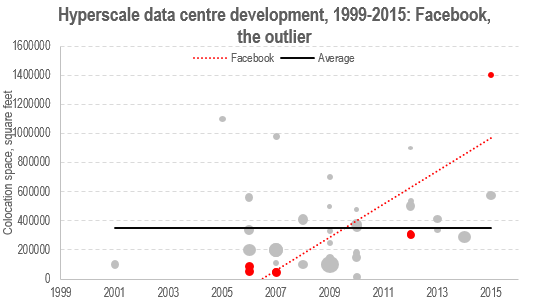
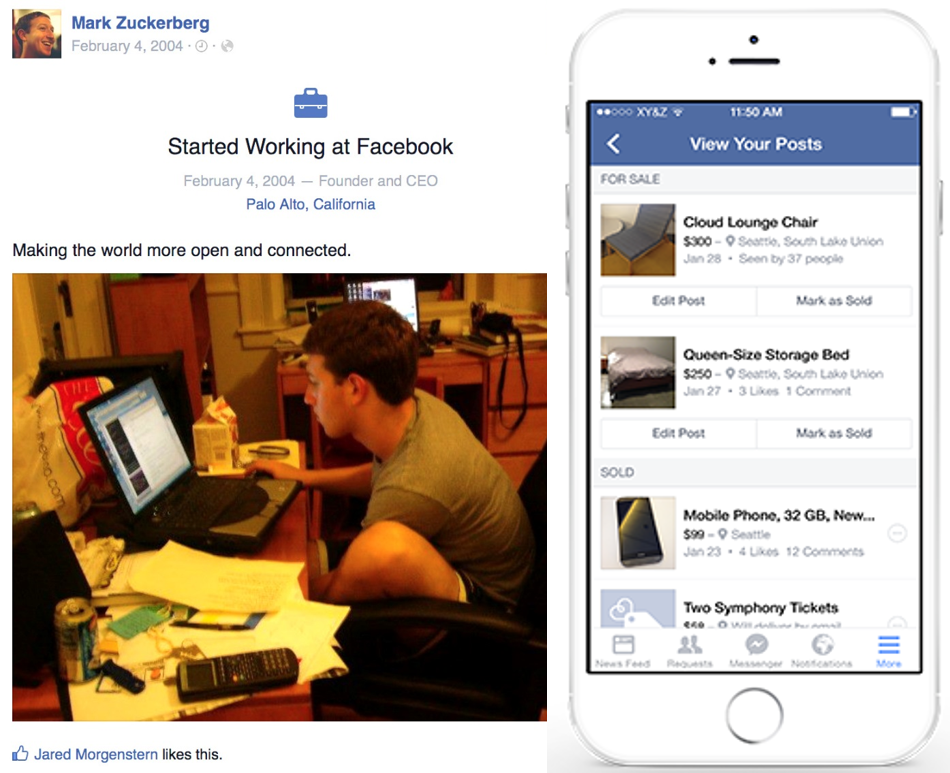
Facebook has changed substantially since we first analysed the company in 2011. In our latest major report we explore the accuracy of our 2011 predictions regarding users, revenue and strategy. We also examine Facebook’s current aspirations and challenges and explain why, where and how operators should be working with Facebook to build value.

The Digital Dashboard: How new metrics drive success in telco digital initiatives

Digital initiatives are an important part of the telecoms growth story. However, because they are so different to the traditional telecoms business, they require different performance metrics: a digital dashboard. In this report, we examine the importance of metrics in shaping business performance, explore the contribution of metrics to 3 telco digital success stories, and reveal how a cutting-edge approach to metrics is driving digital execution at Telkom Indonesia.

Key Questions for NextGen Broadband Part 1: The Business Case

Key Questions for NextGen Broadband Part 1: The Business Case

The network is one of telcos’ key assets. The case for investing in it was once straightforward: the bigger and faster the better. Yet today, many forces are combining to cloud that picture, such as virtualisation, regulation, the success of Internet services, network sharing, market consolidation and in some cases saturation, to name a few. To kick off our ‘Future of the Network’ research stream, we outline the key questions determining future investments in the network and our forthcoming work to address them. In Part 2, we’ll outline the key disruptive forces on the network.

Netflix: Threat or Opportunity?

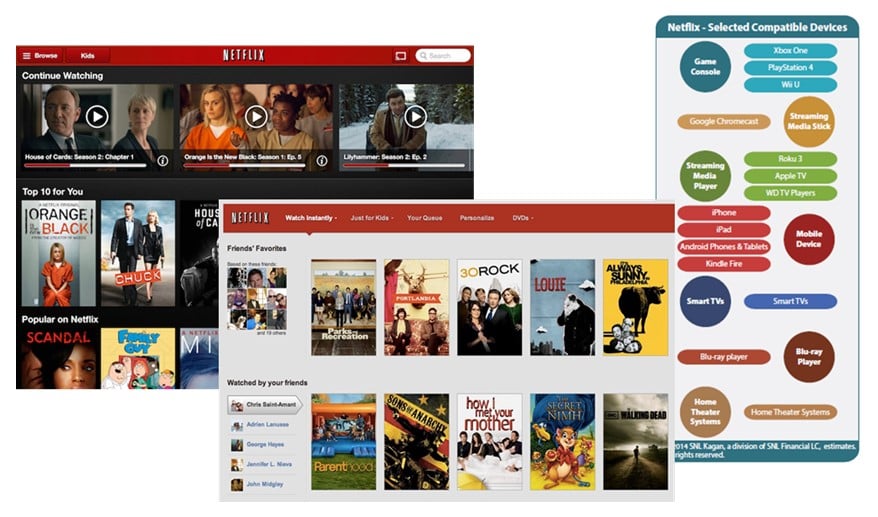
Netflix’s success in the US and in Western Europe has demonstrated that consumers are willing to change how they watch and pay for TV and movies. As a result Netflix’s OTT proposition is challenging traditional pay TV models and changing how new broadband services are looking at content. For some players Netflix is a threat and for others an opportunity. So, how should content owners, channels, pay platforms and broadband providers respond?

Samsung and Google versus Apple?

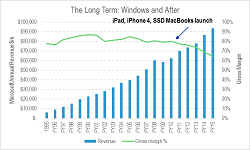
Apple is weakening Samsung Electronics’ grip in the high-end of the handset market, lowering the Korean company’s profitability and capacity to compete effectively. After a series of largely unsuccessful attempts to break into software and services, a daring option for Samsung is to seek a strong, strategic alliance with Google to enable both companies to mount a serious challenge to Apple’s dominance in the affluent demographic. Telcos could back such an alliance in return for a profitable role in the service layer. This report analyses the strategic rationale for such an approach.

Five Principles for Disruptive Strategy

What is disruption, when is it a good idea, and what do you do when it happens to you? We illustrate five principles of disruptive strategy based on our analysis of the telecoms and adjacent markets over the past eight years. The analysis covers both principles of creating and defending against disruption.