Research

Defining the future telco — and what it means for operators and their partners


Cisco, Microsoft, Google, AT&T, Telefonica, et al: the disruptive battle for value in communications

Cisco, Microsoft, Google, AT&T, Telefonica, et al: the disruptive battle for value in communications

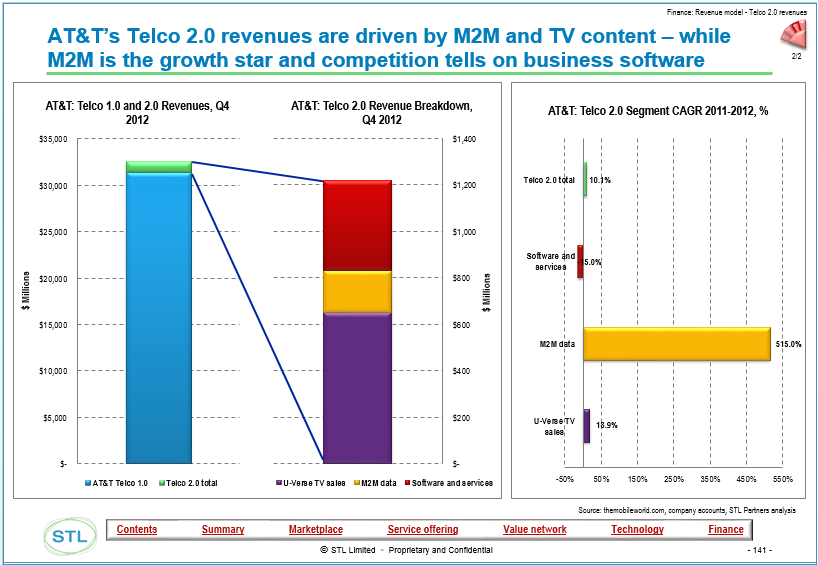
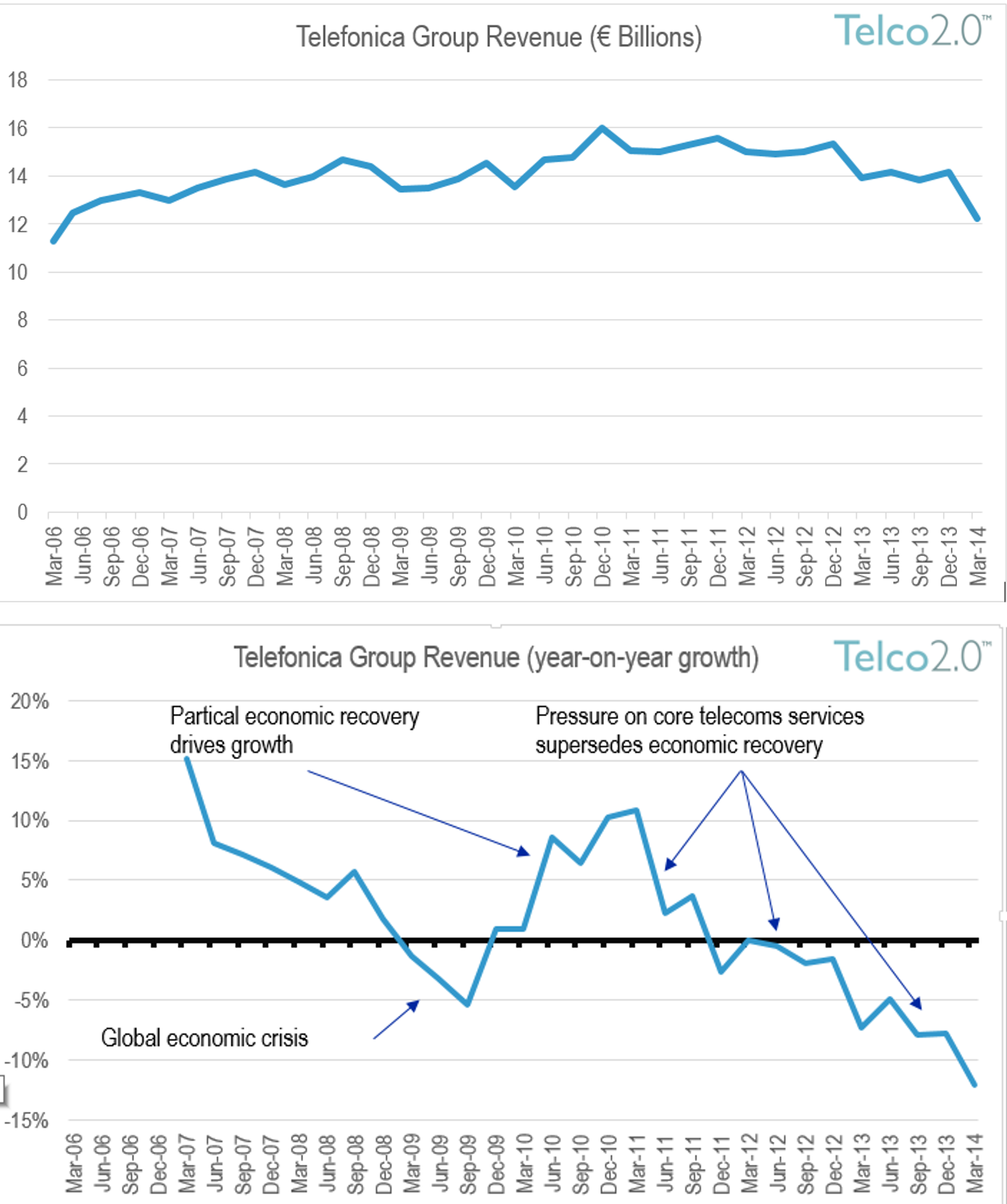
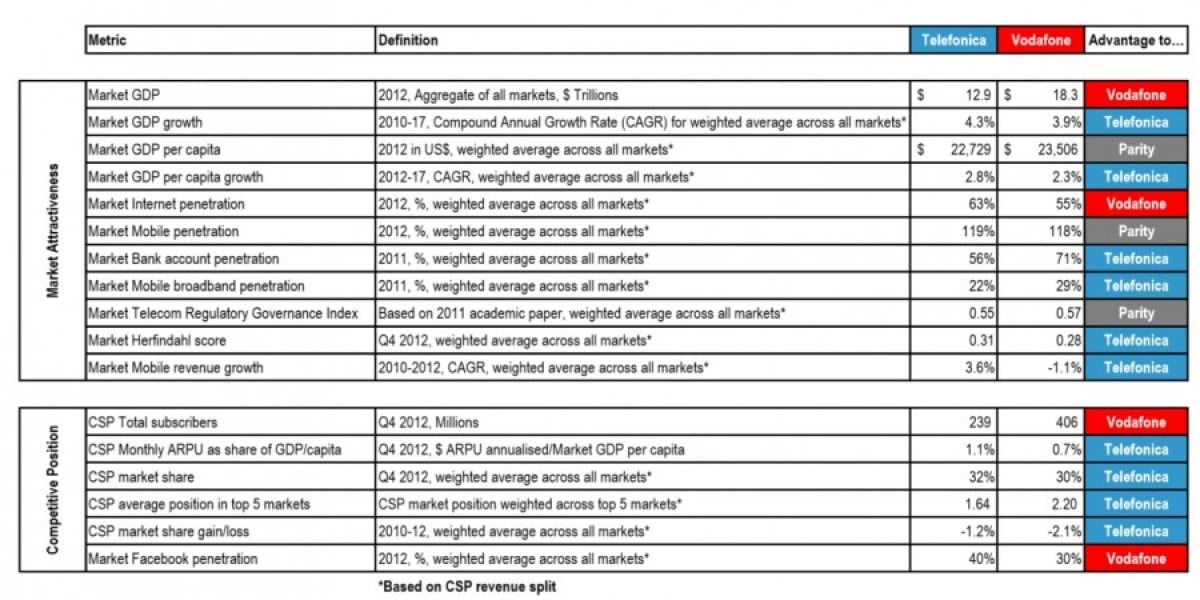
Disruption is taking place across the voice and messaging space – not just with telcos. Established vendors and de facto technology standards are also being challenged. For example, Cisco, the market leader in enterprise telephony, finds itself being disrupted in key markets by other vendors offering more horizontally integrated solutions. This report provides an overview and insight into a number of vendors and technologies in the voice and messaging markets, including telco platforms and services, and LTE, RCSe, and WebRTC. Three telco case studies (Vodafone, Telefonica and AT&T) are also provided, examining their activities, products and results.

Self-Disruption: How Sprint Blew It

Self-Disruption: How Sprint Blew It

How Sprint’s necessary shutdown of Nextel turned into a commercial disaster, losing valuable customers, reputation, and market share. Our analysis shows that amdist the drama of the Softbank deal and the complexity of a major network upgrade, SMB customer needs were neglected, and its competitors (VZW, AT&T and T-Mobile) stepped smartly in.

Mobile Marketing and Commerce: the technology battle between NFC, BLE, SIM, & Cloud

Mobile Marketing and Commerce: the technology battle between NFC, BLE, SIM, & Cloud

This report will help digital commerce players assess some tough technology and strategy choices in the on-going mobile marketing and commerce battle. E.g. Will bricks and mortar merchants embrace NFC or Bluetooth Low Energy (BLE) or cloud-based solutions? If NFC does take off, will SIM cards or trusted execution environments be used to secure services? Should digital commerce brokers use SMS, in-app notifications or IP-based messaging services to interact with consumers? What are the big players backing, and what will be the key indicators that a specific technology is likely to win?

Telco 2.0: The $50bn Enterprise Mobility Opportunity: four steps for telcos to take today

Telco 2.0: The $50bn Enterprise Mobility Opportunity: four steps for telcos to take today

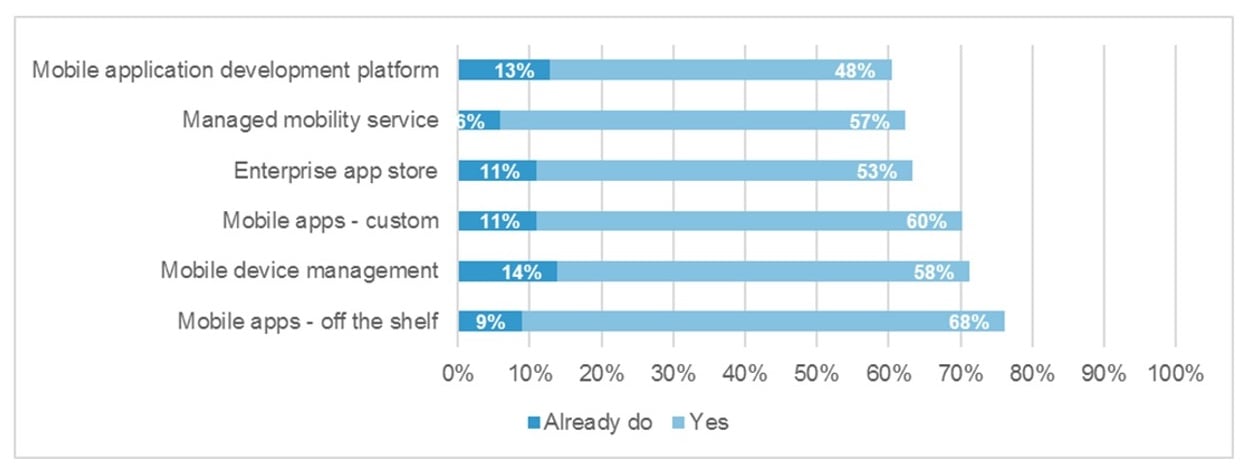
Enterprises are turning to mobility to transform their operations, creating a c.$50bn ‘Enterprise Mobility’ opportunity globally. There are four levels of engagement that telcos can adopt to start to capture a share of this market, and upgrade and repurpose their internal capabilities to deliver repeatable, high volume, customer-facing growth initiatives. They need tools, technologies and partnerships to provide the deep industry knowledge and mobile workforce expertise. This will allow them to take a defined proposition to market and evolve from being “just another channel” to originators and owners of intellectual property. (December 2013, Foundation 2.0, Executive Briefing Service, Cloud and Enterprise ICT Stream).

Enterprise Mobility Framework December 2013

Digital Arabia 2013: Digital Entertainment (Day 2) Growing the MENA Gaming Ecosystem (Event Summary Report)

Digital Arabia 2013: Digital Entertainment (Day 2) Growing the MENA Gaming Ecosystem (Event Summary Report)

At the Digital Arabia Executive Brainstorm in Dubai, November 2013, we found that there is widespread optimism for growth in digital gaming, but work is needed to balance the share of value in the ecosystem to maximize growth. Success depends on telcos and others working together effectively to understand each other’s perspectives and value-add, and maximize the systematic growth of the market for maximum mutual and sustainable gain. The alternative is to attempt to dominate in the short term only to lose out on growth in scale and lose share through disruption. (November 2013)
Digital Arabia 2013 Digital Entertainment

Communications Services: What now makes a winning value proposition?

Communications Services: What now makes a winning value proposition?

Consumer and enterprise communications behaviours are changing significantly around the globe as new solutions meet core needs more effectively and change customer expectations. This extract from our latest major report provides insight to the changes, and describes effective strategies that meet these evolving needs for both incumbents attempting to defend existing services and innovators seeking to disrupt and create new value. (December 2013, Executive Briefing Service)

Psychological and social advantages of voice, SMS, IM, and Social Media Dec 2013

The Future Value of Voice and Messaging

The Future Value of Voice and Messaging

Our new research shows how telcos can slow the decline of voice and messaging revenues and build new communications services to maximise revenues and relevance with both consumer and enterprise customers. It includes detailed forecasts for 9 markets, in which the total decline is forecast between -25% and -46% on a $375bn base between 2012 and 2018, giving telcos an $80bn opportunity to fight for. It also shows impacts and implications for other technology players including vendors and partners, and general lessons for competing with disruptive players in all markets. It looks at the impact of so-called OTT competition, market trends and drivers, bundling strategies, operators developing their own Telco-OTT apps, advanced Enterprise Communications services, and the opportunities to exploit new standards such as RCS, WebRTC and VoLTE. (November 2013, Executive Briefing Service). Future Value of Voice and Messaging Cover Small

Telco 2.0 Transformation Index: Technology Survey

Telco 2.0 Transformation Index: Technology Survey

150 senior execs from Vodafone, Telefonica, Etisalat, Ooredoo (formerly Qtel), Axiata and Singtel supported our technology survey for the Telco 2.0 Transformation Index. This analysis of the results includes findings on prioritisation, alignment, accountability, speed of change, skills, partners, projects and approaches to transformation. It shows that there are common issues around urgency, accountability and skills, and interesting differences in priorities and overall approach to technology as an enabler of transformation. (November 2013, Executive Briefing Service, Transformation Stream.) Telco 2.0 Transformation Index Tech Survey Cover Small

Digital Commerce 2.0: Disrupting the Californian Giants

Digital Commerce 2.0: Disrupting the Californian Giants

Amazon, Google, Apple, eBay/PayPal and Facebook are the big five brokers of digital commerce. But the disruption caused by the rise of mass-market smartphones, and the personal data they generate, means the medium-term leadership of these California-based companies is not assured. Each of them has weaknesses that could hinder their progress towards securing a strong strategic position in the new Digital Commerce 2.0 marketplace, and render them potentially vulnerable to competition from telcos, banks and/or start-ups. (October 2013, Executive Briefing Service, Dealing with Disruption Stream.) Digital Commerce 2.0 Gap

Cloud 2.0: Securing Trust to Survive the ‘One-In-Five’ CSP Shake-Out

Cloud 2.0: Securing Trust to Survive the ‘One-In-Five’ CSP Shake-Out

The Cloud market is on the verge of the next wave of market penetration, yet it’s likely that only one in five Cloud Service Providers (CSPs) in today’s marketplace will still be around by 2018, as providers fail or are swallowed up by aggressive competitors. So what do CSPs need to do to survive and prosper? (October 2013, Foundation 2.0, Executive Briefing Service, Cloud & Enterprise ICT Stream.)
Technology adoption rates Sept 2013

Digital Commerce 2.0: New $50bn Disruptive Opportunities for Telcos, Banks and Technology Players

Digital Commerce 2.0: New $50bn Disruptive Opportunities for Telcos, Banks and Technology Players

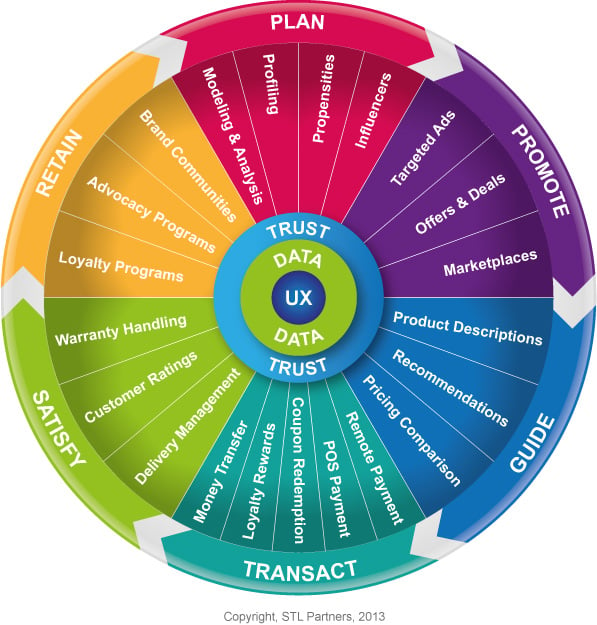
Telcos, Internet and technology players, banks and payment networks have disruptive $billion opportunities to act as intermediaries / enablers in mobile commerce and personal cloud services, based on the appropriate use of customer data. This report is a unique and comprehensive strategic guide for success in these roles. It analyses the strategies of the main and cutting-edge players, and outlines key success factors in designing and delivering customer propositions, technology, organisation and value network strategies. It also includes evaluations of the related strategic opportunities of ‘raw big data’, professional data services, and internal data use, and a business model showing how one type of candidate for the intermediary role, a telco, could grow profitable new revenues equivalent to c.$50Bn (5% of existing core revenues) within five years. (October 2013, Dealing with Dsiruption Stream). Telco 2.0 Transformation Index Small

Telco Opportunities in the ‘New Mobile Web’?

Telco Opportunities in the ‘New Mobile Web’?

The transformed mobile web experience, brought about by the adoption of a range of new technologies, is creating a new arena for operators seeking to (re)build their role in the digital marketplace. Operators are potentially well-placed to succeed in this space; they have the requisite assets and capabilities and the desire to grow their digital businesses. This report examines the findings of interviews and a survey conducted amongst key industry players, supplemented by STL Partners’ research and analysis, with the objective of determining the opportunities for operators in the New Mobile Web and the strategies they can implement in order to succeed. (September 2013, Foundation 2.0, Executive Briefing Service.)
Operator Opportunities in the “New Mobile Web”

Want access to our research?

Our research focuses on how telcos and their partners can embrace industry disruption.

Learn more