
5G standalone (SA) core: Why and how telcos should keep going
Some leading telcos have slowed their roll-outs of 5G Standalone cores. Others have not. What is the delay? And why it is important to speed deployments now while minimising the risks.

Some leading telcos have slowed their roll-outs of 5G Standalone cores. Others have not. What is the delay? And why it is important to speed deployments now while minimising the risks.

In recent years, the web 3.0 movement, which seeks to fundamentally change the economics of the Internet, has gained significant momentum. For many telcos, the disruption caused by a shift to web 3.0 could open up opportunities to rebuild relevance and revenues in the consumer market.

Beyond just connecting it, there are three broad telco strategies for the Metaverse that are being developed and led by Verizon, Telefónica and SKT.

We found subtle but significant shifts at the GSMA’s Mobile World Congress 2022 that show how the market’s need is changing to ‘connecting technologies’ rather than ‘connectivity’. This has deep implications for the industry and telcos in particular.

More telcos are making deals to run their VNFs on the public cloud. Not much is live yet. But cloud hosting of network functions will support telcos in realising the benefits of cloud-native, and we believe telcos can safely go further and faster.

The knowledge and skills required to succeed in the digital environment are ever evolving. Telcos must maintain knowledge flows around the organisation and enhance their capacity to learn in order to keep pace and compete.

With the rollout of 5G, the telecoms industry could coordinate the development of early warning systems to mitigate the impact of pollution, wildfires, floods, infectious diseases and other threats.

As public transport systems try to recover from the pandemic, 5G could help them to become more versatile, cost-effective and appealing. By providing reliable and flexible connectivity to transport operators and their customers, telcos could create considerable value for both individuals and society.

For uptake of Massive IoT connectivity to meet expectations in the B2C and B2B2C markets, telcos will need to dramatically improve coverage and simplify their propositions.

What can others learn from SK Telecom’s advanced efforts to grow in the face of declining core telecoms revenues? 5G is a part of the story, but not all of it.

Both telcos and hyperscalers want to capture the value at the edge, but they need to work together to deliver of edge computing solutions and generate demand among customers. How can operators collaborate with hyperscalers while strengthening their role beyond connectivity?

Born of a unique partnership between Deutsche Telekom and Cisco, ngena leverages the networks of partners worldwide to provide a global enterprise connectivity platform. How did it come about, how successful has it been, and what does it teach us about innovation in telecoms?

Telcos (and others) have had mixed results from their experience of ecosystems. We look at AT&T Community, DTAG’s Qivicon, GSMA Mobile Connect, TIP and Android to analyse success factors and approaches to maximise the potential of future ecosystem initiatives.

How can multiple access technologies (4G, 5G, Wi-Fi, fixed line) be used together to deliver a resilient, optimised and consistent experience of network quality and coverage? An introduction to the landscape, opportunities and challenges in providing a single user experience across multiple networks.
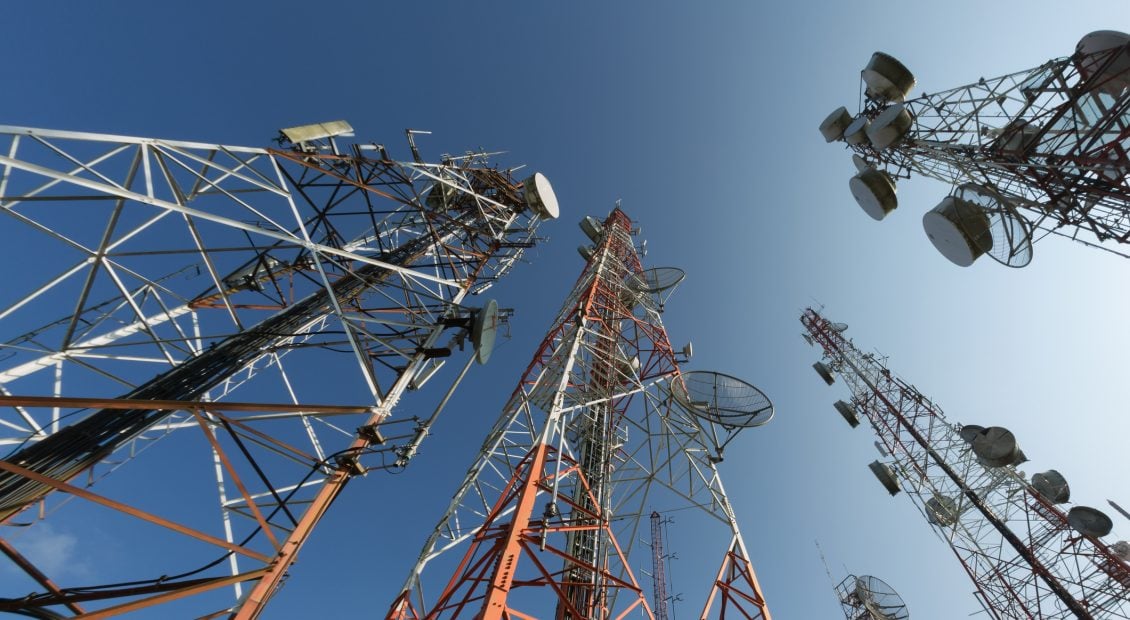
Edge computing is a strategic opportunity for telcos. We examine the driving needs and applications for telco edge computing, describe the market and the options for telcos, discuss their partnerships with hyperscalers and recommend key actions.

This report explores how the cloud gaming market is likely to evolve and what this means for telcos. Beyond providing better connectivity through 5G and edge computing, there are several ways in which telcos can add value to the cloud gaming ecosystem.

What should telcos do to bridge the gaps between current hype, actual performance, and future promises on 5G? We argue that a data-driven and forensic approach to roll-out and marketing will be the key, particularly in the uncertain economic environment driven by the COVID-19 pandemic, and review the timelines for future applications.