
Skywatch constellation: Satellite operator profiles
Skywatch constellation offers an in-depth analysis of major satellite operators, including their constellation, business model and strategic posture toward telcos.

Skywatch constellation offers an in-depth analysis of major satellite operators, including their constellation, business model and strategic posture toward telcos.

Skywatch tracker monitors public announcements of collaborations between telcos and satellite/non-terrestrial networks (NTN) players publicly announced since 1 January 2024. It also highlights where satellite operators are collaborating and competing with telcos.

This report presents the main findings of our latest quantitative research on global demand for edge computing services through to 2030. In this forecast, we analyse demand for on-premises, network and regional edge infrastructure across 21 use cases and 16 industry verticals. This edition also examines key adoption trends emerging from real-world deployments and highlights pricing dynamics observed across the vendor ecosystem.

Skywatch telescope offers deep-dive coverage of telcos’ live satellite services, offering insights into how telcos are commercialising these offerings.

As AI workloads push rack densities higher and liquid cooling becomes essential infrastructure, a fragmented vendor landscape is ripe for consolidation.

Analysing the relationship between NaaS implementation and customer success metrics in enterprise network services

This report outlines the main findings of our latest quantitative research on the global demand for edge computing services towards 2030. We identify the total revenue across the value chain and explore the growing demand for network, regional and on-premises edge across 20 use cases and 16 verticals globally.

Our report forecasts $462bn in global demand for edge computing services in 2030. We explore the global demand for on-prem, network, and regional edge represented by 20 use cases and 16 verticals. The forecast helps telcos and other edge providers to identify which areas of the market and the value chain are most suitable for them to capture.

Our report forecasts $445bn in global demand for edge computing services in 2030. We explore the global demand for on-prem, network, and regional edge represented by 20 use cases and 16 verticals. The forecast helps telcos and other edge providers to identify which areas of the market and the value chain are most suitable for them to capture.
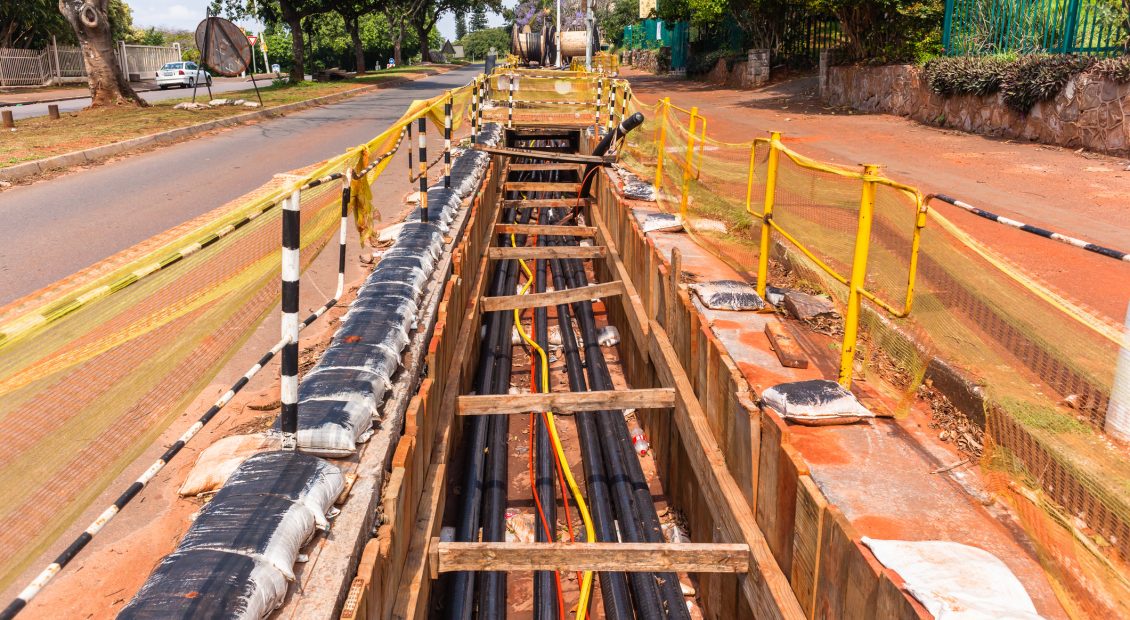
There is now a valuable but specialised opportunity in building out fibre to support small 5G cells in high value areas. Which players should address it and how?

Loved brands have a range of advantages over other businesses, which over time creates significant commercial benefits.
Simon Best, experienced telco marketing strategist, gives us his take on how telcos can achieve this goal — and which telcos are achieving it.

Edge computing: the US$500 billion opportunity, modelling total edge computing addressable revenue 2020–2030.
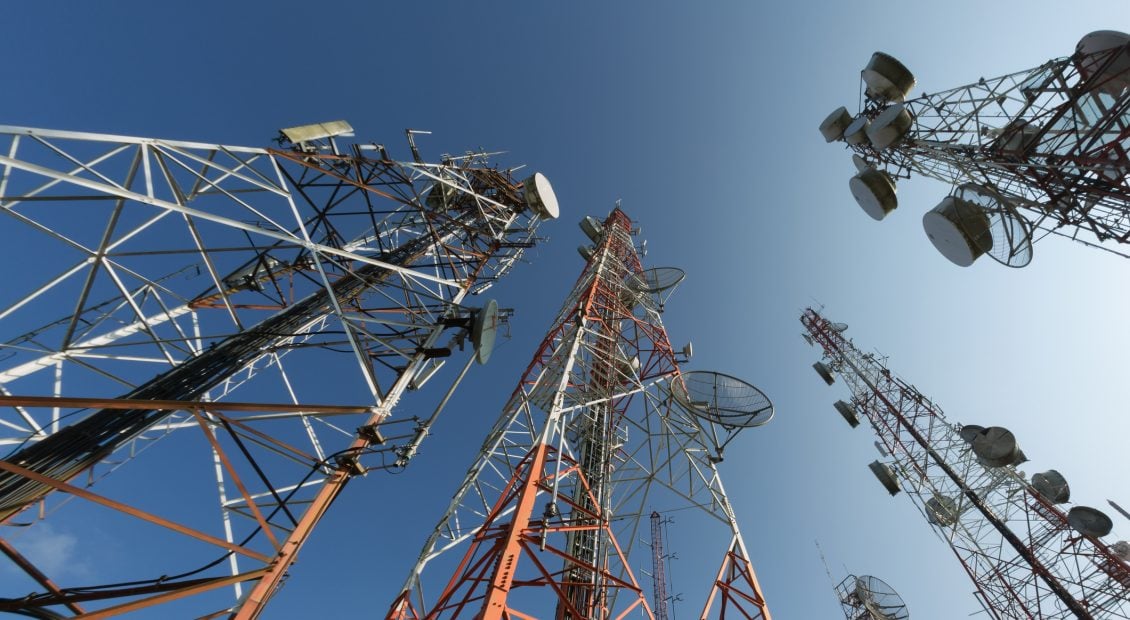
Edge computing is a strategic opportunity for telcos. We examine the driving needs and applications for telco edge computing, describe the market and the options for telcos, discuss their partnerships with hyperscalers and recommend key actions.

Customer experience is fast becoming the new mantra for operators across the globe. But while improvements are being made in broadband speeds, customer experience and so forth, app latency and errors have largely gone ignored. This is despite the fact that both are important drivers of customer experience and of app developer profitability. Find out the relationship between latency and app errors and our analysis of those operators that are performing well and those that are ‘lagging’ behind.

Our latest analysis shows staggering differences in ‘app-lag’ (the time it takes for an app to get a response over the Internet) across France, Germany, Italy, Spain and the UK, and twenty mobile operators. This has significant consequences for customer data experiences, and potentially operator market performance too. Operators in France, particularly Bouygues and Free, are delivering a superior customer app experience while 3 in Italy and Movistar in Spain are European laggards. (October 2015, Foundation 2.0, Executive Briefing Service.)

BT’s attempt to acquire EE in the UK presents the regulator and its competitors with choices that could re-frame the principles of regulation and competition in an era of consolidation, with consequences for many other markets. Will BT succeed, and if so, what will be the terms of the deal, and how will the market subsequently play out?
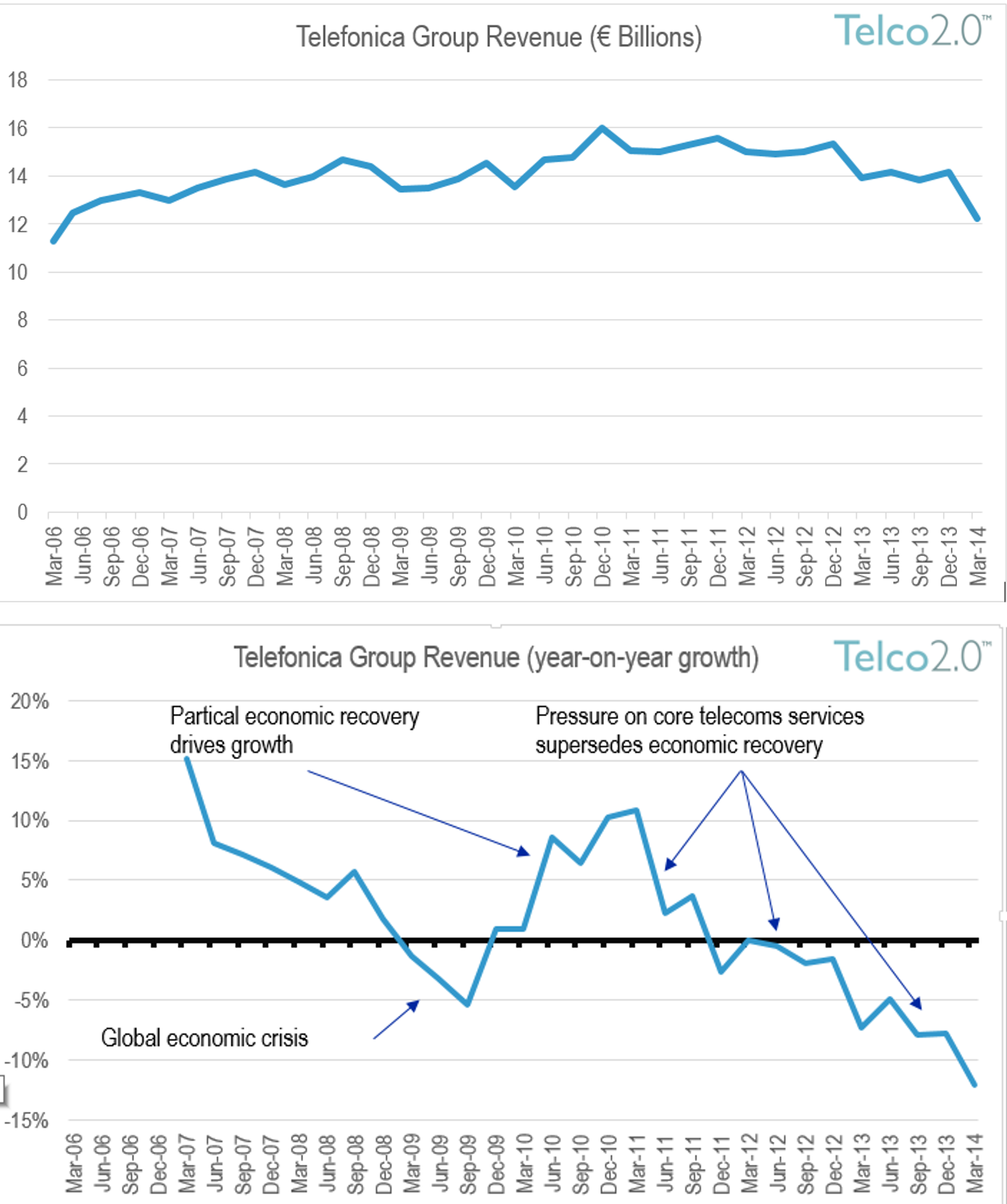
The latest results for Telefonica are grim, showing a 12% y-o-y revenue decline, following Orange and Deutsche Telekom’s 4% drops. This signals unequivocally that transformation is now a necessity not a luxury for European operators – and the rest of the world is not far behind. Longer term recovery is possible but not a certainty – what are the key steps? (May 2014, Foundation 2.0, Executive Briefing Service, Telco 2.0 Transformation Stream.)
Enterprise Mobility Framework December 2013