
The state of telco transformation
Nine change stakeholders describe their experience of telco transformation, providing insights on the change process and learnings for others that are remodelling their organisations for the future.
The rapid rise in energy prices mean consumers and businesses are now much more conscious of how much power they are using and what it is costing them. As energy moves up everyone’s agenda, some telcos are pushing deep into the electricity market, investing in renewable power, storage and retail propositions.
5G SA is an exciting development for operators, and the choice between a multi-vendor or single-vendor approach has wide-ranging implications.
Networks consume more than 75% of all the electricity a typical service provider uses in one year. We explore five game changing strategies that can be implemented today to help build greener networks.
We found subtle but significant shifts at the GSMA’s Mobile World Congress 2022 that show how the market’s need is changing to ‘connecting technologies’ rather than ‘connectivity’. This has deep implications for the industry and telcos in particular.
This research defines and considers the topic “Future of work” – exploring the impact of emerging technologies and economic and social changes on telcos, and identifying how A3 (analytics, AI and automation) can help solve new challenges.
Live entertainment is evolving fast, as greater connectivity and digitisation allows for new experiences for both the audience at the venue and the people watching online. How can telcos play a more valuable role?
In this report we update our initial model of the potential financial value of adding analytics, AI and automation (A3) into a telco’s processes. Our bottom up assessment of 150+ processes across networks and operations, customer channels, sales and marketing shows telcos can achieve financial benefits amounting to more than 8% of annual revenues.
With the rollout of 5G, the telecoms industry could coordinate the development of early warning systems to mitigate the impact of pollution, wildfires, floods, infectious diseases and other threats.
Improving customer experience has been a focus for telcos for almost 20 years, but there is still some way to go. This research looks at how A3 is helping telcos today and how it can address key challenges in future.
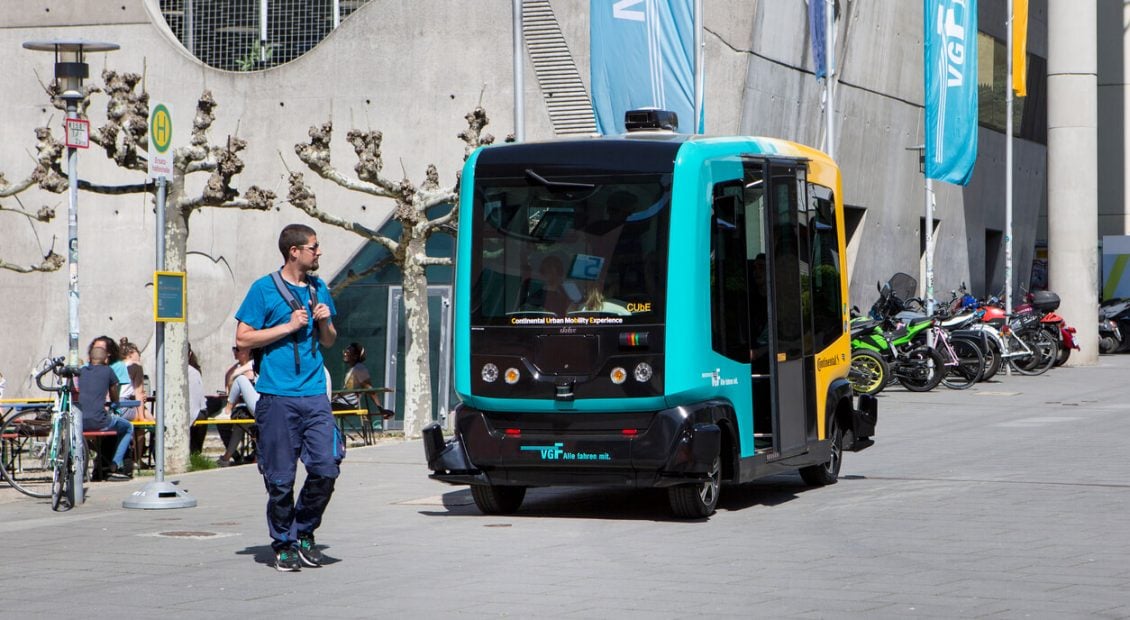
As public transport systems try to recover from the pandemic, 5G could help them to become more versatile, cost-effective and appealing. By providing reliable and flexible connectivity to transport operators and their customers, telcos could create considerable value for both individuals and society.
As analytics, AI and automation (A3) technologies mature, we explore nine potential A3 capabilities telcos could offer to their enterprise customers. We identify the sweet spots for telcos by assessing the importance of each of the nine capabilities across 14 industry verticals and mapping them against telcos’ existing levels of expertise.
Mobile operators have many of the assets and capabilities required to become a major force in financial services, but they will also need to tap expertise in data analytics/machine learning.
This is part 1 of a 3-part series taking an in-depth look at how 5G pioneers have evolved their approaches to commercialisation since launch, navigating a maze of factors such as handset availability, technology immaturity and more. What should others take from their experience to date?
Our detailed analytical model of 217 digital healthcare markets shows that the COVID pandemic has accelerated the global market four years ahead of its prior trajectory. This means that telcos and others seeking to support this welcome acceleration, and thereby grow valuable new businesses, should boost their plans now.
Over the next 10 years, advances in automation, analytics and AI (A3) are going to drastically change the way telcos manage their core businesses, how their businesses are organised, and the demands of their customers. We outline the core capabilities A3 capabilities telcos will need to remain competitive in their core business and to be effective ecosystem players over the next five to ten years.
What can others learn from SK Telecom’s advanced efforts to grow in the face of declining core telecoms revenues? 5G is a part of the story, but not all of it.