
Download
Listen


People are a key part of the equation linking telecom digital transformation, i.e. the introduction of new technology and digital processes, to desirable business outcomes. Telcos need to take steps to ensure they are on board with change.
Connectivity and new technology are not panaceas
The telecom industry presents a narrative that total national fibre or 5G coverage will ensure digital inclusion and result in a digital society. Likewise, it is frequently stated as fact that new technology tools, like AI, will help to optimise costs and improve productivity. But this thinking does not factor in the need for adoption and usage. Without people adopting and using these technologies, nothing will change:
- The economy will not be able to capitalise on digital advances.
- Enterprises, including telcos, will not derive returns on their investment in new digital tools.
So how do you ensure this adoption, and get people to feel empowered enough by technology to want to change how they do things? This was a topic of discussion at Connected Britain held in September 2025 and has continued to resonate over the intervening months.
Recruiting and training are not enough
From a corporate perspective, recruiting new technology experts may be a first step to incorporating a new technology solution in the workplace, i.e. finding people that can work with the technology. This is usually closely followed by employee training.
Companies are investing in learning management systems to ensure that courses are available to employees to bring them up to speed on new technology tools and developments. Those companies that are more progressive in their learning practices may institute frameworks to ensure that employees routinely share knowledge and experience so that collective knowledge continues to grow (e.g. Slack channels, communities of practice). Companies may use “number of employees trained” as a measure of how progressed a technology transformation initiative is, but the metric doesn’t tell the whole story.
Embedding technology skills
The use of technology needs to become embedded into people’s daily lives.
As the much publicised MIT study published in July 2025 found, 95% of GenAI pilots were not delivering value. This was mainly attributed to poor integration with existing workflows: the GenAI was not customised for the workflow – and there was no scope for it to improve over time.
This indicates a few things to think about to embed skills, for example:
- How technology will change working practices
- How technology and people can become more aligned to access real company benefits.
New technology integration into workflows
As an example, an employer may want fieldworkers to use AR/VR headsets so that a back office engineer can help them to identify health and safety risks. But a lack of reliable connectivity may hamper this technology adoption (inconsistent benefits are not worth the inconvenience of changing behaviour). Alternatively, a company may want to train all employees on GenAI tools, but if people don’t see a practical use case for these tools in day-to-day workflows, the behaviour is less likely to stick.
Companies need to think about how people will use the technology in the flow of their work before trying to roll it out. They should teach the technology in the context of the work and how it impacts the job to facilitate understanding and encourage adoption. But they should also ensure there are no barriers to tech usage: technology interfaces should be as simple and intuitive as possible and it is important to address any technology concerns early and directly.
Once trained, it is also important to create early opportunities for people to trial the technology in their day-to-day work life so that they can experience the benefit of it. For example, companies can set small trials for employees in non-critical tasks and build the scale of the trials/tasks as people get more comfortable with the technology. Managers should also encourage individuals to “have a go”. This requires psychological safety – especially when they may not get something right the first time.
Some companies may adopt new technologies within the context of SAFe agile environments. This is where small groups trial different ways of doing things, together and within a defined process, to access incremental improvements. But this may not be appropriate for all types of roles or tasks.
New technology and people alignment
There is also a need to segment the workforce according to technology appetite and need to work with the technology. For example:
- More senior employees may have less appetite and time to trial new ways of doing things that are not guaranteed to deliver better outcomes than current behaviours. Consequences of delays or errors may also be greater for this group.
- Younger, more tech-forward workers may be happier to adopt new technology – just to be working with “the latest thing”.
- IT departments may be excited by a new technology, but the HR department may not be excited at all.
The potential opportunity cost for people to make a change must be understood: They are giving up time, shifting out of comfort zones and being asked to relinquish expertise.
How a new technology is introduced to different groups should take these factors into account to ensure people’s acceptance of it. It’s one of the key reasons why change management is really important for a successful transition.
Continuous communication and education may also be required to ensure the objectives and rationale for technology adoption are front-of-mind. Initiatives that are more continuous will ensure that aspects of training are not forgotten during the flow of work (communities of practice or technology champions can help with this too).
For more technology-advanced employees, initiatives can include:
- Hackathons (allowing people to work with the new technology systems to advance their own ideas)
- A central sandbox or innovation lab (giving subject matter experts access to the necessary tools, data, cloud environments, without the pressure of a live environment)
For less technology-focused employees, initiatives like ‘development days’ may be appropriate, where time is specifically allocated to getting up to speed with the new technology.
Line managers must be bought into the importance of staff development and technology adoption, as well as the C-suite. Executive use of new technology can inspire people to develop themselves (employees feel more confident in the value of the technology, and there can also be a moral dilemma in non-adoption, if employees are going counter to the C-suite example).
Conclusion
For telecom digital transformation to succeed, the true potential of a technology will only be felt once it is integrated into workflows so that people can adopt it and experience benefits – which are hopefully greater than continuing the status quo.
This will involve ensuring that there is no friction between technology use and work processes, so that benefits are obvious to people that invest the time and energy to use it. It will also involve deep consideration as to how the technology will impact different groups of individuals, and a plan to manage this change to align people with the technology rollout and usage.
The same principles should be considered in initiatives to create a digital society – a goal promoted by many governments around the world. Real digital inclusion is not just about ‘putting in the pipes’: Governments, and telcos that want to assist them, should look to understand what can really be achieved by facilitating a change in citizen behaviour – and define complementary roles for each party to play in achieving this, aside from extending network coverage.
Looking for advisory services in AI? Schedule a call.
Download the AI insights pack
Download the AI insights pack
Our overview explores the evolving role of telcos in the AI ecosystem—examining how they act as consumers of AI, as enablers of AI adoption across industries, and as providers of AI-driven solutions to others.

From showcase to shelf: MWC Shanghai highlights how Chinese telcos monetise AI
three demos from China’s telcos at MWC Shanghai 2026 illustrate the different ways telcos are trying to build businesses around AI.
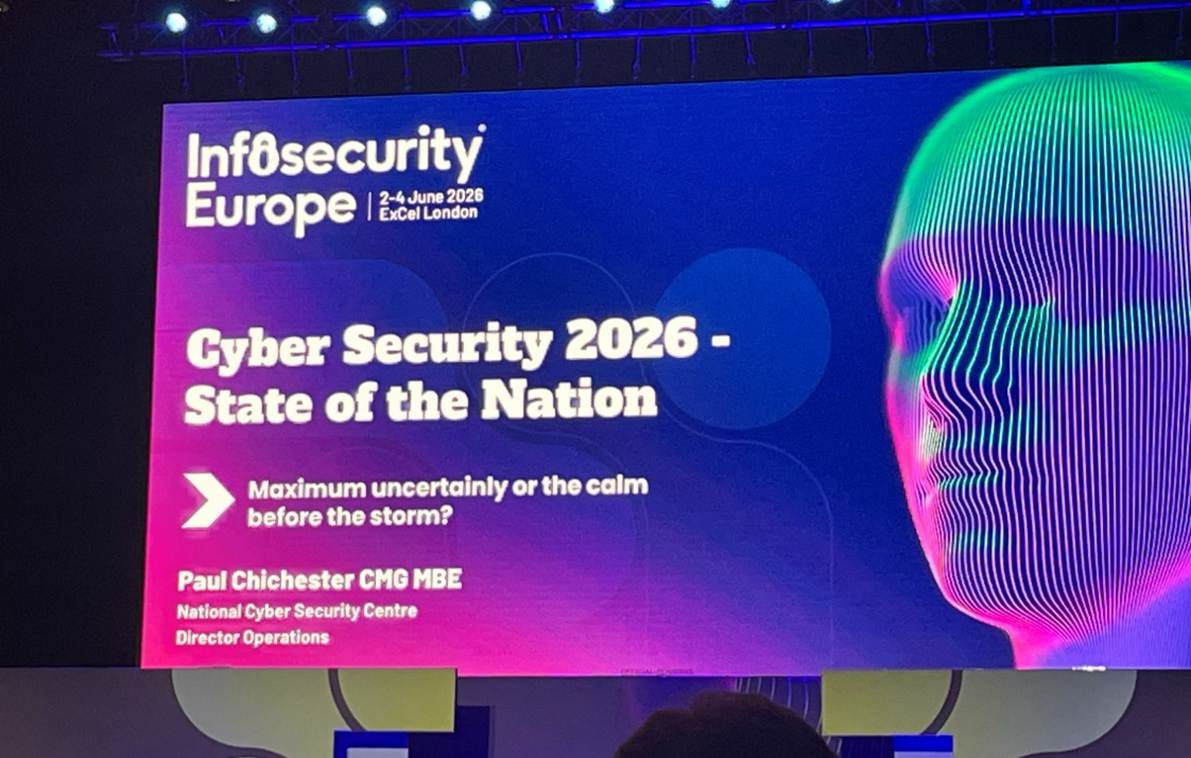
Takeaways from Infosecurity Europe 2026
In early June 2026, Infosecurity Europe once again brought together many companies and experts to explore the latest trends in the increasingly complex cybersecurity landscape. Here are our takeaways.

Are collaborative telco innovation efforts flagging?
Mobile World Congress provides an opportunity for telcos to promote collaborative initiatives. In 2026, we heard calls for telco collaboration in AI safety and governance, the regulation of the wid…
From showcase to shelf: MWC Shanghai highlights how Chinese telcos monetise AI
three demos from China’s telcos at MWC Shanghai 2026 illustrate the different ways telcos are trying to build businesses around AI.
Takeaways from Infosecurity Europe 2026
In early June 2026, Infosecurity Europe once again brought together many companies and experts to explore the latest trends in the increasingly complex cybersecurity landscape. Here are our takeaways.

Telecom digital transformation: New tech tools won’t deliver without people
People are a key part of the equation linking telecom digital transformation, i.e. the introduction of new technology and digital processes, to desirable business outcomes. Telcos need to take steps to ensure they are on board with change.