
5G SA: Is it too late for the slow movers to monetise?
In this annual update to our Telco Cloud Deployment Tracker we focus on 5G core, vRAN/open RAN and cloud-native container orchestration platform deployments by telcos.

In this annual update to our Telco Cloud Deployment Tracker we focus on 5G core, vRAN/open RAN and cloud-native container orchestration platform deployments by telcos.

The RAN is evolving towards greater openness and disaggregation, but the path is hybrid and incremental. This report explores the challenges operators face, early lessons from deployments, and why embedding openness and flexibility early is critical to long-term competitiveness.

Most large-scale deployments of virtualised RAN (vRAN) at Tier 1 telcos are currently based on single-vendor architecture. But operators are deploying vRAN in innovative ways that aim to preserve many open RAN benefits. This report looks at the current status of vRAN and open RAN deployments as well as the increasing awareness of the importance of deploying cloud-native RAN across multiple containers-as-a-service (CaaS) layers.

It was no surprise that AI dominated MWC this year. But there were lots of other notable trends on the rise – including cybersecurity and data centres – and some that were disappointingly overlooked. Find out what the STL Partners team saw and missed at MWC 2025.

Telco cloud deployment activity slowed down in Q2 2024 with only 20 deployments added to the tracker, eight of which were completed in earlier years. The remaining 12 included five 5G NSA cores (four already launched) and three SA cores, all of which we expect to go live by the end of 2024. In this report we analyse the prospects for 5G SA including a deep-dive on the state of deployments on the public cloud.

Telco cloud activity in 2024 is showing signs of growing momentum with 72 deployments in the year to date, in contrast to 90 for the whole of 2023. Even though many of these deployments are announced but yet to complete in 2024, there are improving prospects for vRAN and open RAN, alongside a positive outlook for 5G standalone.

Operators who neglect sustainability throughout their network automation journeys may miss out on synergistic energy saving opportunities. We explore five automation applications that reduce emissions and outline how operators can maximise sustainability outcomes in their network automation journeys.
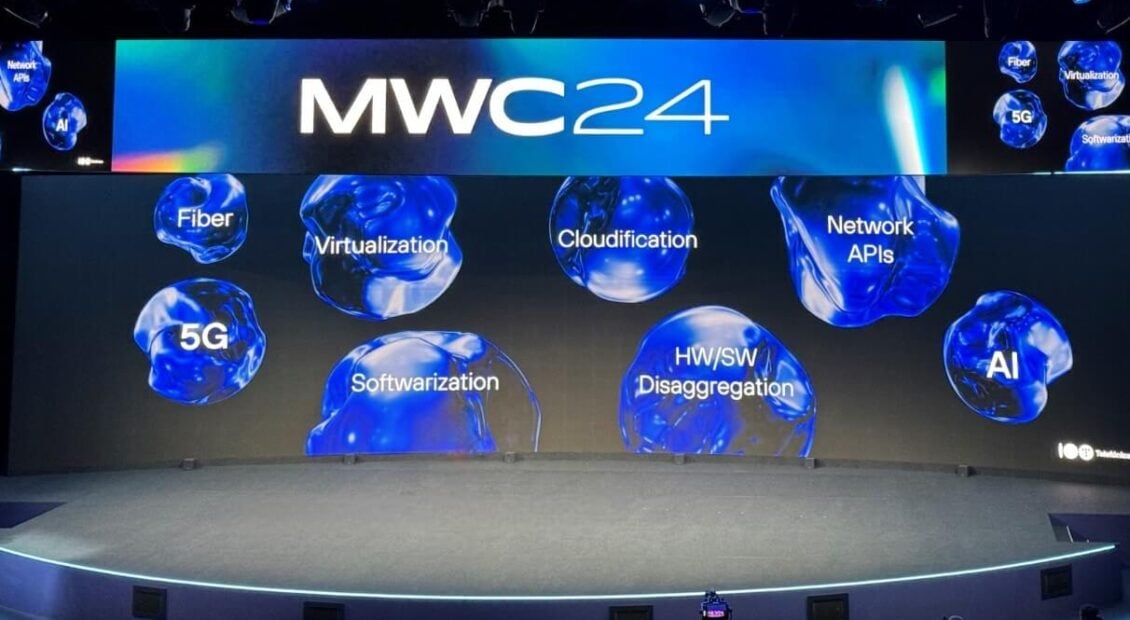
STL Partners’ Research team present their observations from and analysis of the biggest mobile industry event of the year. There was a lot of buzz around AI and API but behind the tech jargon, we saw evidence that our industry continues to morph to become more open and customer-focused.

Edge computing presents unique challenges and limitations when compared to traditional data centres. This report provides practical guidance for edge operators aiming to achieve sustainability goals.

2023 concluded with 87 telco cloud deployments in our tracker. In this edition, we present the most popular vendor stacks for vRAN/open RAN and the main rationales behind the 11 5G SA launches last year.

Fixed operators see network disaggregation as a way to reduce deployment and operational costs, remove vendor lock-in, and combine residential, business and other types of access into a single infrastructure. This report examines progress and learnings from early movers.

As operators embark on their telco cloud journeys, what should they look out for and what lessons can they learn from others? This report analyses the strategies and progress of four operators leading the way in telco cloud transformation and sheds light on the lessons learned from their initial deployments.

The utilities sector is a promising opportunity area for private LTE and 5G networks. But it is not an easy one for telcos to address, as utility companies often deploy and manage networking technology in-house or via specialist service providers to satisfy service requirements. This report examines the sector realities.

The industry is still on track to deliver 5G Standalone and various types of virtualised RAN – but progress is a lot slower than originally expected. In this update of the Telco Cloud Deployment Tracker, we look beneath the hood of the numbers to assess what if anything will accelerate growth in 2024.

New players, technologies and business models are raising the prospect of valuable, new satellite connectivity services. But how credible are the new opportunities and what do operators need to do?

The first commercial deployments of open RAN networks have been announced. But operators are unsure whether to deploy quickly for first-mover advantage or play it safe and wait for more proof points. We explore the causes of open RAN inertia and how operators can get deployments back on track.

The use of A3 in open RAN will be an important part of the solution to specific open RAN challenges for telcos. This report reviews the significance of A3 in Open RAN, xAPP and rAPP market opportunities and identifies eleven A3 requirements in developing Open RAN capabilities for telcos.