80% of telco-satellite collaborations still in early stages, finds STL Partners in latest research
3 min read- A new wave of partnerships between telcos and satellite/NTN players is reshaping the connectivity landscape, but the market remains far from mature
- Verizon and Telefónica have been partnering with satellite/NTN players the most since 2024
- Starlink crops up as telcos’ favourite, with four live direct-to-device (D2D) services with telcos
- Skylo, AST SpaceMobile and Lynk Global remain strong low Earth orbit (LEO) challengers, having sealed key telco partnerships
LONDON – 7 August 2025 – A new wave of partnerships between telcos and satellite/non-terrestrial network (NTN) players is reshaping the connectivity landscape, but the market remains far from mature, analyst house STL Partners finds in its newly launched satellite tracker, ‘Skywatch’.
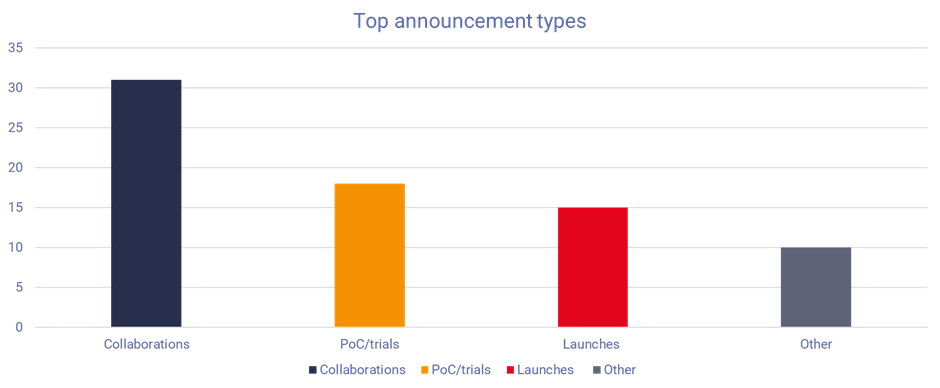
STL Partners’ analysis of 74 announcements since January 2024 reveals a striking trend: only 20% of the collaborations between telcos and satellite/NTN operators have reached a beta or commercial launch. The majority remain in early-stage partnerships (41%) or proof-of-concept (PoC)/trial (24%) phase, underlining just how nascent most initiatives still are.
Source: STL Partners
Despite the slow march to commercialisation, a growing urgency is emerging for telcos: LEO players are the ‘new kids in town’ that telcos cannot afford to ignore. These operators are rapidly becoming both essential partners and potential competitors. With Starlink leading in active D2D deployments and constellation scale, challengers such as Skylo, AST SpaceMobile and Lynk Global are securing high-profile telco tie-ups. Telcos that fail to act quickly risk losing ground in the race for global, seamless connectivity.
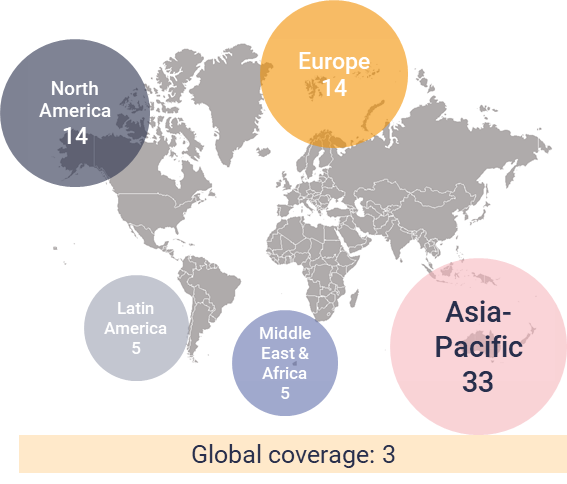
Verizon and Telefónica are the most active telcos in forming satellite/NTN collaborations since early 2024, closely followed by China Mobile, T-Mobile and NTT Docomo. The geographical distribution of the announcements as currently reflected in our tracker indicates that the APAC region is leading the way (45% of our entries), followed by North America and Europe (19% each).
Source: STL Partners
“The collaborations between telcos and satellite/NTN players are driven by commercial rather than geopolitical interests, in particular when what is delivered through the partnerships relates to non-critical services to the consumer – as in the small but increasing number of direct-to-device (D2D) arrangements. Once the challenges of integration are overcome and customer experience is guaranteed for D2D, the main consideration for the telco is how far the new offering enhances its portfolio and brand, and whether those benefits offset the associated costs”, claims David Martin, senior analyst and telco cloud lead at STL Partners.
The Skywatch satellite tracker, launched to help telcos stay ahead in this rapidly evolving space, answers critical strategic questions, including:
1. What LEO providers should telcos partner in a specific market?
2. Should a telco try to influence the regulator to allow or prevent the entry of LEO players in its local market?
3. What are the risks and the costs associated with a sit-and-watch strategy?
The Skywatch tracker will continue to provide up-to-date insights to guide telcos navigate this rapidly evolving space. It will be updated monthly. You can find more information about Skywatch here.
For media enquiries, click here to contact our team.
STL Partners is a leading research and consulting company that focuses on the telecom industry and adjacent markets by helping telcos and their partners innovate, grow and stay ahead of the competition.