How BT beat Apple and Google over 5 years
Over 5 years, BT Group’s share price has more than tripled, outperforming Apple’s and Google’s, while its revenues have shrunk. Why, and what can other telcos learn from its success?

Over 5 years, BT Group’s share price has more than tripled, outperforming Apple’s and Google’s, while its revenues have shrunk. Why, and what can other telcos learn from its success?

BT’s attempt to acquire EE in the UK presents the regulator and its competitors with choices that could re-frame the principles of regulation and competition in an era of consolidation, with consequences for many other markets. Will BT succeed, and if so, what will be the terms of the deal, and how will the market subsequently play out?

AT&T’s residential fixed operation is underperforming as faster cable connections take over. It would probably like to trim its footprint or get out, and invest in fibre and its content business model. Is that really an option, and what are the lessons for other telcos?

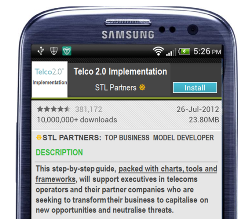
How can communications services providers (CSPs) transform their businesses from Telco 1.0 (infrastructure-led stasis) to Telco 2.0 (sustainable innovation-led growth)? An essential, step-by-step guide to the implementation of new Telco 2.0 business models, providing telecoms executives and their partner companies with a systematic approach to capitalise on new opportunities and neutralise potential threats. The report outlines robust frameworks and methodologies for selecting the right Telco 2.0 strategy for each organization, identifying and implementing the key opportunities, and avoiding expensive and time-consuming mistakes. (December 2012, Telco 2.0 Transformation Stream) Telco 2 Implementation Cover

Vodafone have been quietly stealing a march in the European SMB communications market with a well executed strategy centred on its OneNet cloud-based product. We look at how, including comparisons with BT, Telenor, and others. (May 2012, Executive Briefing Service)
Vodafone Voice Analysis May 2012

The telecoms industry often puts so-called OTT (over-the-top) players like Google and Facebook at the forefront of its concerns, as they pose new competition for services and applications. But what about encroachment of companies “underneath” the telcos, displacing them from their core asset, the network? Telco 2.0 examines the strategic threats and opportunities from wholesale providers, outsourcers and government-run broadband networks. (January 2012, Executive Briefing Service, Future of the Networks Stream).
UTF Image Jan 2012

Customer Experience: Back to the Future of Voice. Colin Lees of BT on the future of the UK voice service and the transformation of BT’s service platform. Presentation from EMEA Brainstorm, November 2011. (November 2011, Executive Briefing Service, Cloud & Enterprise ICT Stream) Network transformation across BT

Content Delivery Networks (CDNs) such as Akamai’s are used to improve the quality and reduce costs of delivering digital content at volume. What role should telcos now play in CDNs? (September 2011, Executive Briefing Service, Future of the Networks Stream).
Should telcos compete with Akamai?

Enterprise cloud computing services need great connectivity to work, but there are opportunities for telcos to participate beyond the connectivity. What are the opportunities, how are telcos approaching them, and what are the key strategies? Includes forecasts for telcos’ shares of VPC, IaaS, PaaS and SaaS. (September 2011, Executive Briefing Service, Cloud & Enterprise ICT Stream)
Apps & Telco APIs Figure 1 Drivers of the App Market Telco 2.0 Sept 2011

Our in-depth look at the UK’s highly competitive digital TV market which reflects many global trends, such as competition between different types of content distributor (LoveFilm, YouTube, Virgin Media, BBC, BSkyB, BT, etc.), channel proliferation, new devices used for viewing, and the increasing prevalence of connected TVs. What are the key trends and who will be the winners and losers? (August 2011, Executive Briefing Service)
Chart from Connected TV Figure 2 telco 2.0

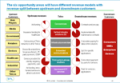
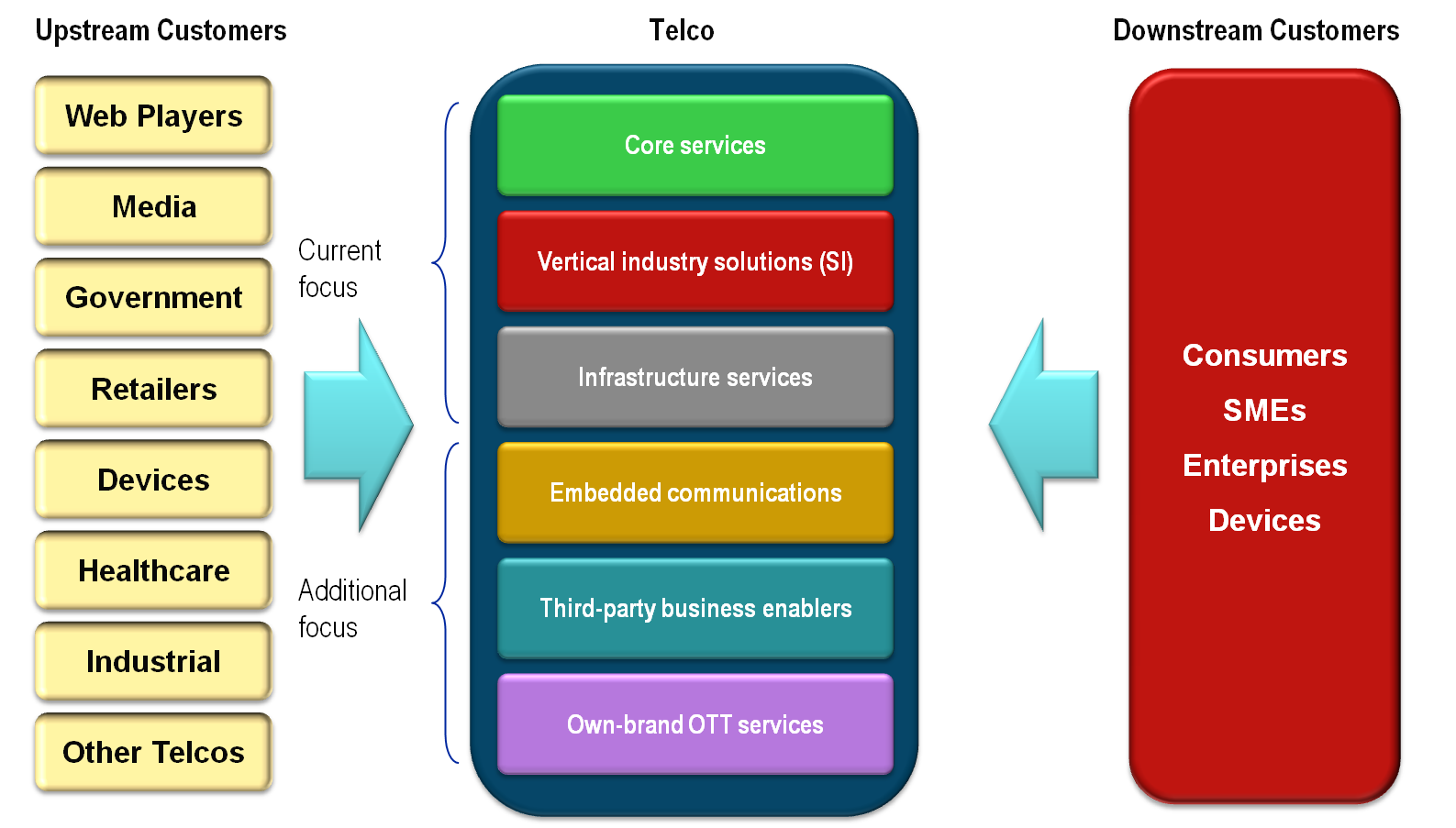
A summary of the six Telco 2.0 opportunities to transform telco’s business models for success in an IP-based, post PSTN world: Core Services, Vertical Solutions, Infrastructure Services, Embedded Communications, 3rd Party Enablers, and Own Brand OTT Services. It includes an extract from the Roadmap to New Telco 2.0 Business Models, updates on latest developments, and feedback from over 500 senior TMT industry execs. (July 2011, Executive Briefing Service, Transformation Stream).
Telco 2.0 Six Key Opportunity Types Chart July 2011

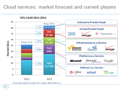
Telcos should grow Cloud Services revenues nine-fold and triple their overall market share in the next three years according to delegates at the May 2011 EMEA Executive Brainstorm. But which are the best opportunities and strategies? (June 2011, Executive Briefing Service, Cloud & Enterprise ICT Stream)
Cloud Forecast 2014

This Strategy Report plots the transformational path that telcos need to follow to achieve the $375Bn p.a. ‘Telco 2.0’ opportunities. It describes the six growth opportunity areas for the Telecoms industry, identifies new categories of operators, benchmarks the primary strategies needed by each to evolve and thrive in the new industry environment, and highlights leading examples of telco business model innovation. It has 284 pages, including a 13 page Executive Summary and a detailed index. (April 2011, Telco 2.0 Transformation Stream) The Roadmap to new Telco 2.0 Business Models

How is the strategic rationale for BT’s acquisition of Ribbit as their ‘Voice 2.0’ platform working out? We spoke with Crick Waters, Ribbit’s co-founder and EVP. (July 2010, Executive Briefing Service)
Online Video demand patterns are becoming clearer but a working economic model is not. What’s next? (July 2008)
The impact of the launch of BBC’s online video service “iPlayer” on the UK DSL industry based on live network data. (Feb 2008)